$2b reasons for flexi-work
Originally published by Jamaica Observer Read the original
JAMAICA’S approximately 114,000 public servants could save nearly $2 billion annually in transportation costs if more of them are allowed to work remotely under flexi-work arrangements.
This point was emphasised by representatives of the Ministry of National Security and Peace during their appearance last Wednesday before Parliament’s Economy and Production Committee to discuss the progress of flex-work arrangements in Jamaica.
A PowerPoint presentation from the ministry’s team, which was shared with the media afterwards, painted what it called the “big picture” involving public sector workers and the costs associated with their daily commute.
It shows that it costs between $12,000 and $24,000 weekly for each public servant to get to and from work.
A remote worker organises tasks on a board for a flexible, hybrid work week.
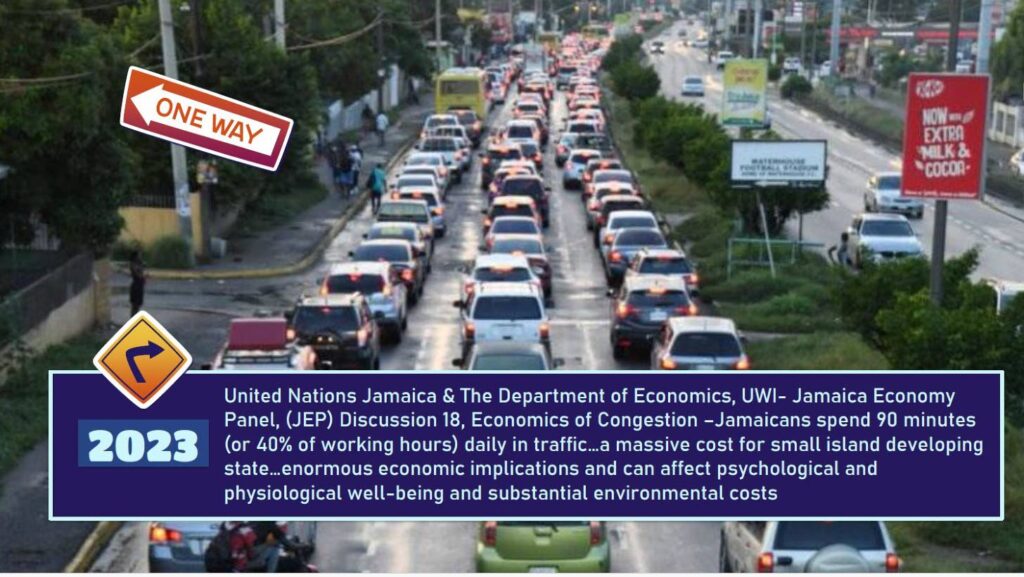
With vacation and other days off, it is estimated that each public servant spends between $456,000 and $912,000 annually to get to work. For all public servants combined, the annual figure is between $1.3 billion and $2.7 billion. The document argued that if public sector employees were allowed to work from home two days each week, they would each save between $4,800 and $9,600. Across the entire public service, workers would collectively keep between $547 million and $1.9 billion in their pockets annually. In terms of the impact at the ministry level, the document showed that 196 or 52 per cent of its 374 employees reside in St Catherine; 160 or 43 per cent live in Kingston and rural St Andrew; and 18 or five per cent live in rural parishes. It emphasised that each of these workers is spending between $12,000 and $24,000 every week to get to and from work. The ministry said its embrace of flexi-work arrangements is in response to fuel-price pressures and is aimed at modernising work and strengthening public sector resilience. The security ministry’s team underscored that more people working from home meant an overall smaller fuel bill. The document referenced a study which shows that 10 minutes of creeping or idling in traffic burns between 300 and 500 millilitres or more than one to two cups of petrol. Hourly idling while stuck in gridlock sees an average car wasting 0.5 litres to 1.3 litres of fuel per hour, while larger vehicles burn between 1.5 litres and 2.5 litres. The ministry team cited the negative effects of gridlock on the economy, climate change, productivity, and mental wellness. It referenced a 1965 World Bank appraisal which described the Kingston–Spanish Town corridor as “the most heavily travelled highway in Jamaica”. The ministry noted that in 2008 then Minister of Transport Mike Henry indicated that motorists were taking eight times longer on typical journeys as he pointed to the economic cost of congestion In 2023, Jamaicans were reportedly spending 90 minutes or 40 per cent of working hours daily in traffic. This is according to a United Nations Jamaica/UWI Department of Economics panel discussion titled ‘The Economics of Congestion’. It described the time lost as a massive cost for a small island developing state with enormous economic implications that could affect people’s psychological and physiological well-being. The ministry said it was making the case for action now on flexi-work arrangement having considered the mental wellness of employees, national cost pressures, workforce realities, and public sector modernisation which together strengthen the case for a Government of Jamaica-wide approach. In terms of the mental health toll, the document cited an international study of January 2025 published in the Makara Journal of Health Research which stated that a significant proportion of workers experienced stress from their commuting routines. The study found that approximately 74.5 per cent of workers reported that commuting had a detrimental effect on their mental health, while 82.1 per cent experienced mental fatigue which directly impacted their ability to concentrate and perform effectively at work. The security ministry said the overall approach is for a structured, phased and monitored Government-led flexible work arrangement framework, informed by its experience. It said eligibility should be transparent, role-based and subject to operational requirements, not a universal entitlement, and argued that the roll-out should be phased in. The security ministry pointed to positives such as reduced commuting stress and greater autonomy which, it said, can support productive time and work-life balance. Additionally, it said flexible work can support talent retention, inclusion and recruitment in a changing workforce. The ministry said it also maintains operating capacity during fuel shortages, natural disasters, and transport disruptions. Potential savings include transport, toll, fuel, maintenance, and in-office support resources, alongside reduced absenteeism.