AG to advise on proposed Crown Lands Bill, says Holness
Originally published by Jamaica Observer Read the original
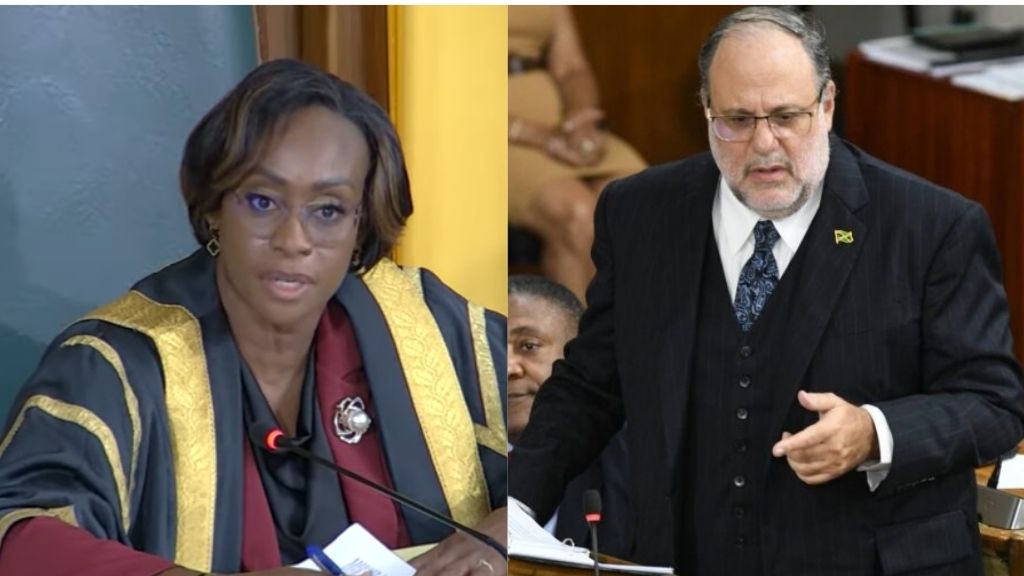
KINGSTON, Jamaica — The Attorney General has now become central to the dispute over the proposed Crown Lands Reform Bill, with Speaker of the House Juliet Holness referring both the original and latest versions of the legislation for legal advice.
The move marks a new stage in an increasingly contentious dispute between Holness and Opposition Leader Mark Golding over the handling of the private member’s Bill, which seeks to make it easier for Jamaicans who have occupied Crown lands for extended periods to acquire legal ownership.
Holness made the announcement in her opening remarks on Tuesday during a sitting of the House of Representatives, saying a further revised version of the Bill had been received by Parliament on Saturday and that she had reviewed it.
She said the legislation would not be tabled during the sitting, pointing to the constitutional and procedural question of whether the House is permitted to proceed with it.
The Speaker said Standing Order 40A(3), which governs the procedure of the House in relation to Bills, expressly provides that the House should not proceed with a Bill where, in the opinion of the presiding member, doing so would contravene Section 55 of the Constitution.
She said the issue before her was therefore not whether she supported or opposed the proposed land reforms, but whether the House could lawfully proceed with the legislation.
According to Holness, the decision to seek advice from the Attorney General follows public questions about the legal advice previously provided to Parliament.
She said Golding had expressed a lack of confidence in the legal support assigned to advise the institution, and that she had therefore decided to formally refer both the first draft and the most recent version of the Bill to the Attorney General for consideration and advice.
The referral represents a significant development, as Golding had previously argued that constitutional questions concerning the legislation should not have been determined by the Speaker at the stage at which he was seeking to introduce the Bill.
When Parliament resumed earlier this month, Holness said Parliament’s legal counsel had identified three provisions in the Bill that raised constitutional concerns. According to her account, revisions made by Golding resolved two of those concerns, but an issue relating to Section 55(3) of the Constitution remained outstanding when the House met on July 14.
Golding has disputed the Speaker’s characterisation of what happened, maintaining that he was prevented from tabling the Bill and arguing that constitutional questions could instead be dealt with during debate or by the Attorney General’s Chambers during the legislative process.
The Speaker, however, has defended her responsibility to determine whether the House can proceed in circumstances where constitutional compliance is in question.
“Members are, of course, always entitled to disagree with the legal advice tendered to the Parliament and with the decisions of a chair. What I will not permit is for such disagreement to diminish the professional standing of the officers who advise this institution or to be used to undermine the authority of the Speaker. When the advice is received from the Attorney General, I will consider it and determine the appropriate course,” she said on Tuesday.
— Jerome Williams