Barbados authorities step up poultry surveillance after Suriname bird flu outbreak
Originally published by Jamaica Observer Read the original
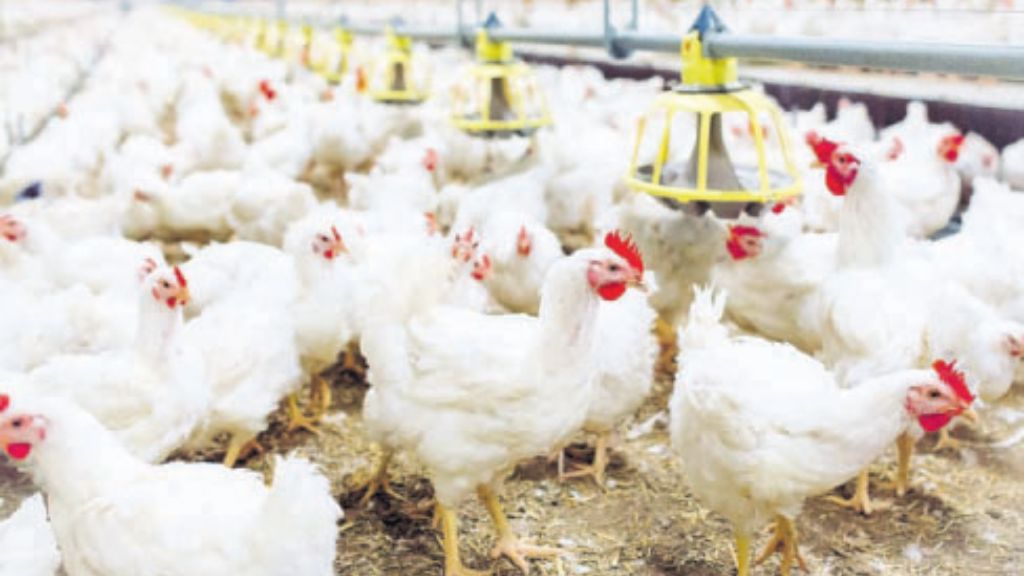
BRIDGETOWN, Barbados (CMC) – Barbados has stepped up monitoring at its ports of entry following an outbreak of highly pathogenic avian influenza (HPAI) in neighbouring Suriname, with authorities warning of the potential impact on the local poultry sector.
The country's Chief Veterinary Officer Dr Mark Trotman said Barbados had not imposed specific restrictions on Suriname, noting that existing quarantine and import-control measures remain in place.
He said that poultry and meat products can only be imported from approved countries under the existing permitting system.
“As far as the measures that we are taking to mitigate against the entry of HPAI from anywhere, really and truly, we haven’t put anything specific in place right now for Suriname, other than our normal quarantine protocols,” Trotman told Barbados TODAY.
Surinamese authorities confirmed an outbreak of the H5 strain of avian influenza in September after about 5,000 broiler chickens died at a commercial operation in the Wanica and Paramaribo area.
The remaining approximately 1,000 birds at the affected farm were subsequently culled as authorities moved to contain the outbreak.
Trotman said Barbados’ limited commercial poultry trade with Suriname reduces the risk posed through authorised imports, but authorities are paying closer attention to illegal imports.
“We would exercise a little more diligence at the ports of entry for illegal importations,” he said. “There is obviously the possibility of people sneaking it in or bringing it in their baggage and so on. For that, we have strengthened our port surveillance.”
He said no emergency restrictions or ban on imports from Suriname had been introduced, but the situation was being monitored, and further measures could be taken if the disease spreads more widely in the region.
The country's Veterinary Services Department is also preparing to improve its diagnostic capacity, with a new laboratory expected to be completed later this year.
Trotman said the department currently has limited capacity to conduct preliminary serology testing, while samples can be sent to overseas reference laboratories for confirmation.
“We do have a rapid response mechanism which will kick in if we do have an outbreak locally. We would go and investigate, take samples, and then send it to a reference laboratory,” he said.
Trotman said the main concern for Barbados is the possible introduction of HPAI into poultry farms, given the potential consequences for agricultural production and food security.
He urged poultry farmers to maintain strict biosecurity measures and to report signs of sudden illness in their birds to veterinary authorities or a veterinarian.
The Suriname outbreak was also discussed at a recent meeting of Caribbean Community (Caricom) chief veterinary officers attended by Trotman.
He said veterinary assistance was offered to Surinamese counterparts during the meeting, although the outbreak did not prompt widespread regional concern among the officials attending.