Between horror and hope
Originally published by Jamaica Observer Read the original
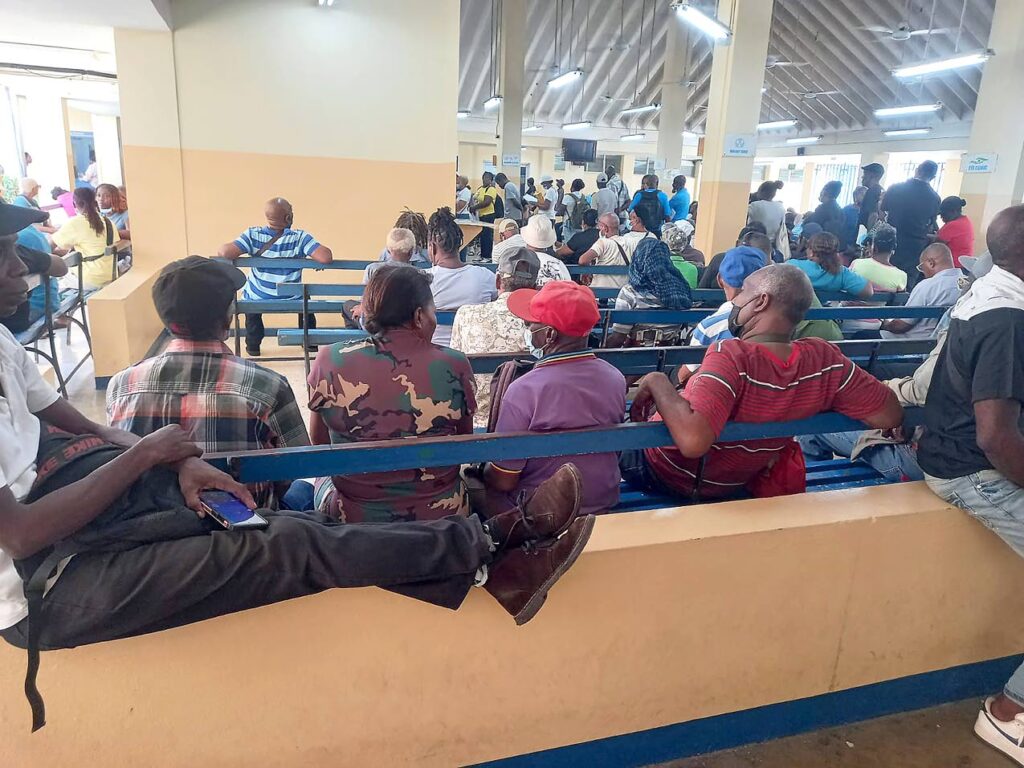
HOSPITAL horror stories are all too familiar for Jamaicans, and though the age-old issues of long wait times, lack of resources, and poor service appear unyielding and have only led to more frustration when accessing the country’s public health-care system, there appears to be at least a glimmer of hope.
While Health and Wellness Minister Dr Christopher Tufton continues to highlight increased government spending in the public health sector, Opposition spokesman on health Dr Alfred Dawes has argued that there are major disparities in access and quality between the wealthy and the poor.
Last week, this Jamaica Observer reporter visited public health facilities in Kingston, St Andrew, and St Catherine — namely University Hospital of the West Indies (UHWI), Kingston Public Hospital (KPH), Spanish Town Hospital, and Linstead Public Hospital — to find out from patients whether public health care reliably serves them, who are the ones depending on it.
“I would like to see a total revamp of what is going on here, and the health-care system,” said Norman James, a patient at KPH who was sitting under a tent with people awaiting blood tests last Tuesday.
James said he got out of bed at 5:30 am to ensure he was on time for his 9:00 am appointment.
When the Sunday Observer arrived at the hospital at approximately 11:30 am, he had already been seen by a doctor and was waiting to leave the compound. But James said his experiences at KPH were often markedly different.
The 70-year-old recalled one admission to the hospital, which saw him waiting days before being properly accommodated on a ward.
“I’ve come to this hospital a couple times to be admitted, and let me tell you, that’s a whole other story. I came in here the Friday night, and Saturday passed and it was Sunday before I could get a bed,” he said.
His concerns also extended beyond waiting times. Pointing to the wheelchair in which he was sitting, James said its wheels lacked rubber, leaving only the metal rim to support him.
“Where are the funds going? They don’t have enough beds, they don’t have enough chairs, fans, and their wheelchairs don’t have rubber on them. They can do better,” he argued.
Across from him, a woman who asked not to be named, said she had been waiting since 7:00 am for medical attention and that her doctor had still not arrived.

Pedestrian and vehicular traffic at the entrance to Spanish Town Hospital last Tuesday.Photo: Garfield Robinson
She also complained about limited seating and the intense heat in the waiting area, while another woman said the lack of basic amenities needed for patient comfort often made hospital visits unpleasant. This was also true for Kelly-Ann Dwyer, a patient at Spanish Town Hospital who was recently transferred from KPH, due to what she said was a three-year waiting list for a surgery on her leg that has been broken since February. She told the Sunday Observer that, while she was more comfortable at the St Catherine hospital, it was not because of the facilities, but rather the dedication and compassion shown by the medical staff. According to her, Spanish Town Hospital is still lacking in many critical areas. “I find that there aren’t certain types of specialists here; there are no cardiologists, no neurosurgeons. I also find that the Drug Serv [pharmacy] doesn’t have much medication — no high blood pressure tablets, no sugar [diabetes] tablets. They just basically have the minimal stuff — cold medicine, itch cream, and stuff like that. There isn’t much to work with, and if you’re going to do surgery, more than likely you must buy some of the things. There aren’t many things for the doctors to work with,” she added. But while Dwyer was fond of the service she received from medical practitioners, another client of the hospital was having “one of the worst experiences ever” at the facility. The woman, who asked not to be named, was visibly upset as she told the Sunday Observer that she brought a family member experiencing a mild stroke to the hospital and he was left to sit in a wheelchair overnight. “Tell you the truth, if I get sick, God forbid, I don’t want to come here. They should do better,” she said. Speaking on the wider health-care system, she also highlighted high medication costs, though she noted that she does not have health insurance and is not the holder of a National Health Fund (NHF) card. “Sometimes you have to just buy what you can afford, and in-between that, to make it serve you a little longer, you ease off of it and take your herbal medicine; boil your bush and drink it,” she said.The Linstead Public Hospital in St Catherine
Her comments come against the backdrop of concerns raised by Tufton about the standard of care being delivered in the public health system. The minister said last month that more than 1,000 complaints recorded through the Ministry of Health and Wellness’s Client Care Connect system pointed to problems involving communication, professional conduct, and patients’ overall experience. He said the ministry would intensify efforts to expose system failures and hold negligent health workers accountable, while emphasising the need for patients to be treated with compassion, empathy, dignity, respect, and fairness. Tufton also announced the rebuilding and modernisation of 101 health centres across five western parishes. Furthermore, he has spoken of major hospital redevelopments, including at Spanish Town Hospital and Cornwall Regional Hospital. At Linstead Hospital, however, several patients were more than pleased with the facility and its staff. They sang praises about the “always clean” compound, compassionate doctors and nurses, and the life-saving procedures they’ve received at the hospital. “I’ve been admitted here more than six times. Last year I was admitted because of a blood clot in my chest. Two weeks after, I got a stroke and was stuck one place, and I’m telling you, they really took care of me. I couldn’t walk or talk, I couldn’t do anything. You see even the ladies who took care of me? Oh God man, they treat me so good,” said one woman. Others agreed, noting that they’ve had similar experiences. While they expressed hope that the hospital’s capacity to handle specialised procedures would improve, it was their belief that the standard of care at the Type C facility is exemplary. At UHWI, Errol Campbell sat among patients who had filled the hospital’s halls for their morning clinic visit, many having arrived before 8:30 am. Campbell, who has been a patient at the hospital for more than three years and has undergone three surgeries there, had nothing but praise for the facility and its staff. “It’s a bit expensive, but the care and the service I received with my surgeries were worth it. All my surgeries were life-threatening. One was cancer, and they stopped it in its track before it spread to my blood. The other was a brain surgery. So, I’m just really pleased with the service I’ve gotten here,” he said.
The entrance to Kingston Public Hospital. (Photo: Garfield Robinson)
Campbell said clinic wait times vary, but he was not particularly bothered by delays, explaining that he expected a longer process on busier days. “The health-care sector outside of the hospital is slack. To me, the treatment here is the best you’ll get. I don’t have any troubles sourcing the medication either; yes, it’s expensive, but I can access it. So I really and truly don’t have any problems,” he said. Inside the hospital’s registration room, however, 86-year-old Herman Perkins offered another assessment. “The University Hospital is not for the poor, it’s for the rich,” he said, pulling from his bag a list on which he had recorded the costs of medication and services from his previous visit. Perkins said he had paid $34,000 out of pocket. “The Government not helping the poor. I’m telling you, it’s all just talk... So, the whole situation is bad,” he said. The differing experiences described by patients paint a picture of the broader debate about the state of Jamaica’s public health-care system. Last Sunday, Dr Dawes was scathing in his comments on the public health system. “Under this Government, one Jamaica means having money [so] you get to live. In the other Jamaica, nobody listens to you unless you go on TikTok Live. Same flesh and blood, same country, same taxes — two different Jamaicas,” he said while addressing the public session of the People’s National Party’s 88th Annual Conference at Independence Park in Savanna-la-Mar, Westmoreland. He questioned whether increased Government spending on health was translating into better conditions for patients, saying, “They love to tell you that the budget has grown, but I ask them, show me the money! Walk into any hospital and show me the money that you have put into health, because we are seeing the same crowded emergency rooms, the same broken down theatres and elevators, the same broken down machines. The care went down when the funding went up,” he alleged. “So don’t ask them what they spent, ask them what they built, and show me the money. Show me the [intensive care units] without the ventilators and show me the money. Show me the ambulances in the garages and show me the money. Show me the $28 million, 10 years later, no [Cornwall] Regional Hospital, still not functional, and show me the money,” he said.