CARE Fund to sign $185m in agreements today
Originally published by Jamaica Observer Read the original
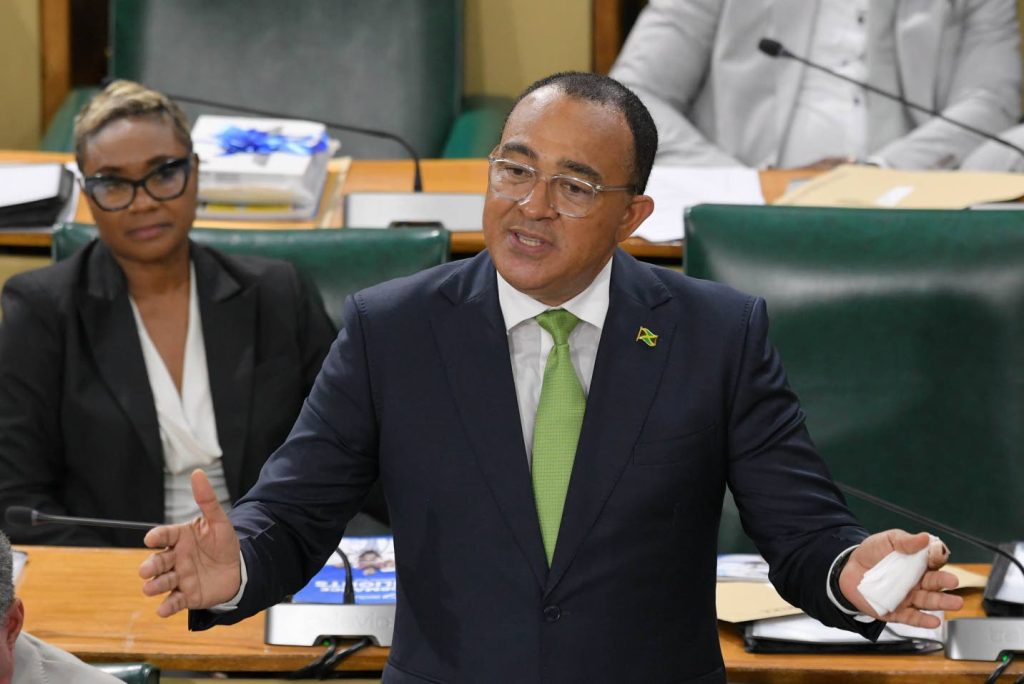
THIRTY organisations have been selected to carry out work under the Ministry of Health and Wellness’s Community Arranged Response Efforts (CARE) Fund at a cost of $185.6 million.
Minister of Health and Wellness Dr Christopher Tufton provided an update on the fund during a ministerial statement in the House of Representatives on Tuesday. He said the ministry will sign funding agreements with the approved organisations during a signing ceremony today.
The CARE Fund is a $500-million programme implemented over 24 months and financed from the health ministry’s approved budget. It supports community-based, faith-based and non-governmental organisations to deliver health promotion and prevention projects in 10 priority areas — from the impact of social media on child health, to period poverty and adolescent health, responsible parenting, mental health and substance abuse, to healthy ageing and home care for older persons and persons with disabilities.
The work to be undertaken by the chosen organisations includes six projects in healthy ageing, valued at $75.8 million, that will keep older persons active and connected, prevent falls, and train those who care for older persons with disabilities. In responsible parenting, eight projects valued at $34.7 million will support positive parenting, early childhood development, and young mothers. Others will train churches, senior citizens’ clubs and health workers to care for persons with disabilities; bring wellness and physical activity into communities under Jamaica Moves; help persons living on the streets to recover and reintegrate; give young people a voice on mental health; and restore dignity to girls who miss school because they lack sanitary products.
Tufton first announced the fund in May, during his contribution to the 2026/2027 Sectoral Debate.
“I indicated then that we must refocus on the family as the first line of healthy living, and revive the spirit of community that once looked after the most vulnerable among us. The CARE Fund brings this philosophy to life by providing grants to registered, community-based organisations whose projects promote healthier behaviours and which are geared toward improving health outcomes at the community level,” he said.
Tufton said the model is simple: “The ministry holds responsibility for standards, governance and accountability. Our community partners — who know their neighbourhoods and are trusted by the people in them — deliver the work. The State provides direction and resources; the community provides reach and trust.”
To ensure accountability, only organisations that are legally constituted and properly registered under the Charities Act, the Co-operative Societies Act, the Friendly Societies Act or the Companies Act, could apply; and they must have sound governance, proper financial records, and a bank account.
Additionally, the fund is overseen by three committees with published terms of reference, a project steering committee, a technical evaluation committee, and an appeals advisory committee, each including members from outside the ministry and each bound by conflict-of-interest rules.
There is also a competitive process which saw every proposal scored against the same published criteria — the justification for the project, the quality of its objectives, its implementation plan and budget, its approach to risk, its sustainability, and the organisation’s track record in community work.
“Each member of the evaluation committee scored every proposal independently. And any applicant who believes the process was not followed fairly may appeal to the appeals advisory committee, which sits independently of the committees that made the recommendations,” Tufton explained.
He told Parliament that the money will follow results as funds will be released in tranches tied to agreed milestones, verified through quarterly reports and site visits, and audited by the ministry’s internal audit unit at the close of the programme.
Of note is that the 30 organisations that will be awarded today are not large institutions. They are churches, citizens’ associations, service clubs, past students’ associations, and community foundations across the island which, according to Tufton, “have decided to take responsibility for the health of their neighbours”.
“That is what CARE means,” said the minister.
He said implementation in communities will begin immediately, with the first disbursements tied to the milestones in those agreements.