Fiscal watchdog backs another year of relief from Jamaica’s budget rules
Originally published by Jamaica Observer Read the original
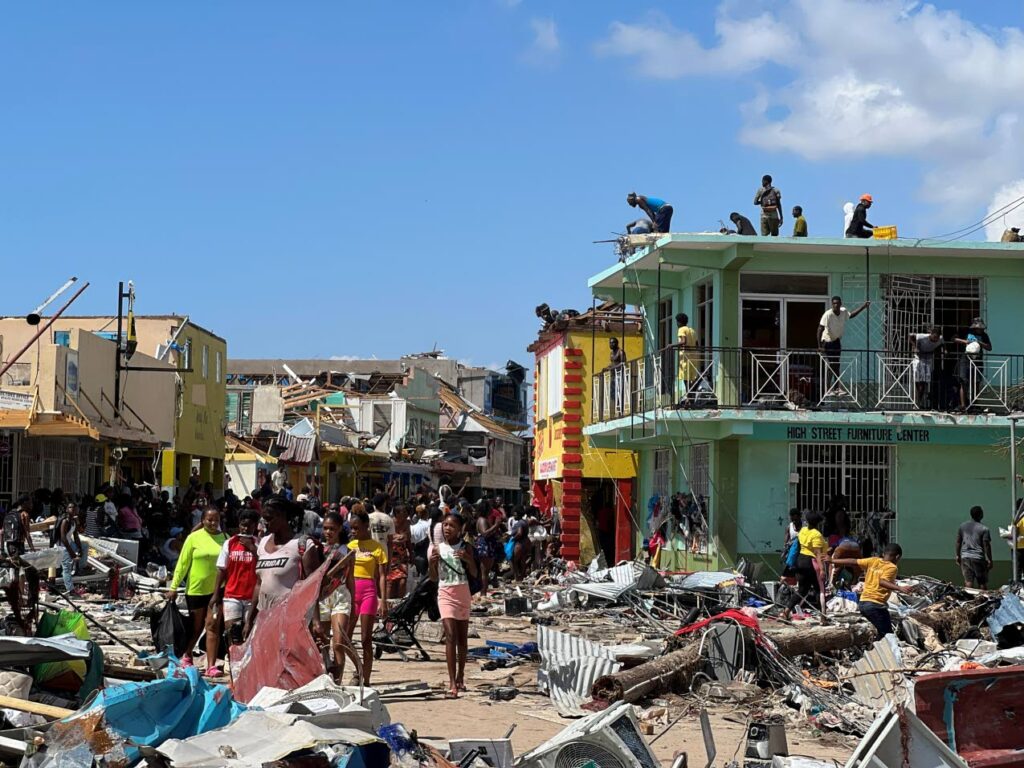
Jamaica’s fiscal watchdog has backed a plan to keep the country’s budget rules suspended for another year, saying the cost of rebuilding after Hurricane Melissa is putting continued pressure on government finances.
The Independent Fiscal Commission said the government faces higher recovery costs while collecting less revenue than expected. Requiring it to meet the rules in 2027/28 could disrupt reconstruction, the commission warned.
The proposed extension still needs Parliament’s approval.
The rules are intended to keep the government’s finances and debt under control. Extending the suspension would give it more room to meet recovery costs while the economy recovers.
The government also plans to seek parliamentary approval for a separate change: moving the deadline for bringing public debt down to 60 per cent of the size of the economy, or less, from 2027/28 to 2031/32.
That would give it four more years to meet the debt target. The one-year extension of the suspension would not automatically change that deadline.
Fiscal Commissioner Courtney Williams validated the request for the additional year on November 13, following a review of the finance ministry’s submission and other economic data.
The commission found that Jamaica was still dealing with significant financial and economic damage from Melissa, which struck as a Category 5 hurricane on October 28, 2025.
Updated assessments by the Inter-American Development Bank and the Economic Commission for Latin America and the Caribbean put damage and losses at about US$12.2 billion, the commission said.
That is almost 40 per cent higher than the initial estimate and equivalent to more than half the value of everything Jamaica’s economy produced in 2024.
The larger damage estimate points to a more expensive rebuilding effort that will take longer to complete. Central government spending on infrastructure and other capital projects is projected to increase by J$21.8 billion in 2027/28.
At the same time, government income has fallen short of expectations.
Revenue and grants were J$27.8 billion below budget between April and September 2026. Most of that gap came from tax collections, which were J$22.6 billion below target.
The commission said some of the shortfall reflected when payments were received. However, it also linked weaker collections to continuing disruption from the hurricane and expects those pressures to last into 2027/28.
The economy is also expected to grow more slowly than previously forecast, limiting growth in tax revenue and making it harder to reduce debt relative to the size of the economy.
Public debt is projected to stand at 65.5 per cent of gross domestic product — the total value of goods and services produced — at the end of 2026/27. It is forecast to decline to 58.8 per cent by 2031/32.
The commission’s assessment clears a required step towards extending the suspension. The finance minister must now make an order and secure Parliament’s approval before it takes effect.
Changing the debt deadline would require a separate amendment to the Financial Administration and Audit Act.
The commission said the additional flexibility would leave financial scrutiny in place. The government would still have to report on its finances, Parliament would retain oversight, and the commission would continue monitoring public debt and other fiscal risks.
