Government clarifies travel ban
Originally published by Jamaica Observer Read the original
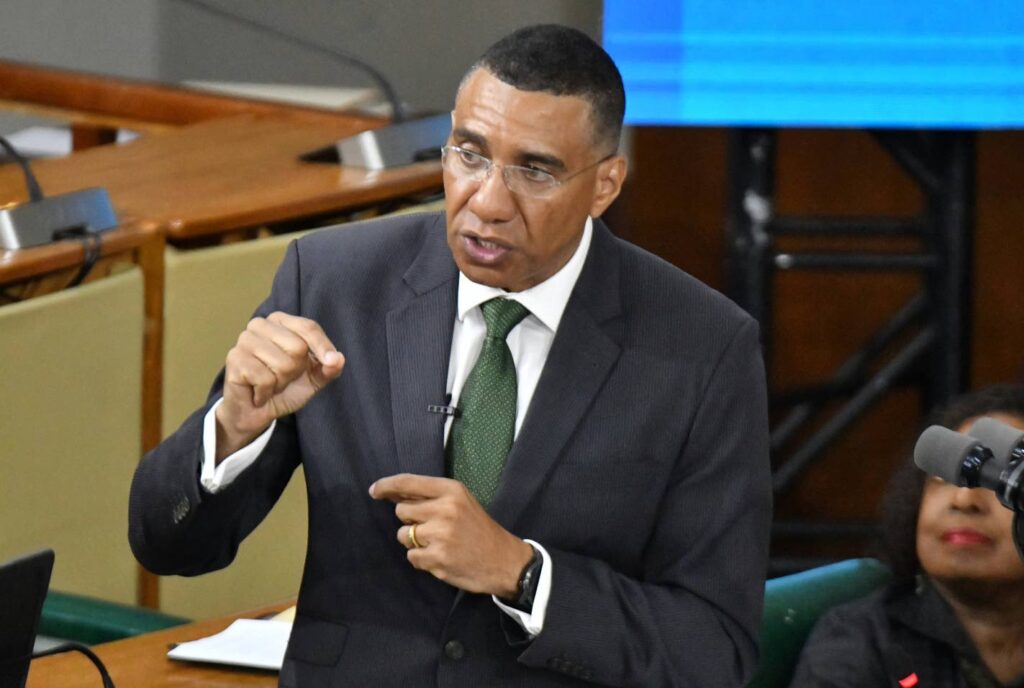
JAMAICA will be represented at the Commonwealth Heads of Government Meeting (CHOGM) in St John’s, Antigua, November 1-4, despite the ban on non-essential travel.
The Office of the Prime Minister (OPM) provided details of the travel ban in a media release on Friday but
Jamaica Observer sources made it clear that this would not include CHOGM, based on the exceptions put in place by Prime Minister Dr Andrew Holness.
In its release, OPM said the Government has instituted an immediate moratorium on non-essential official overseas travel across the public sector until March 31, 2027.
“The measure is among the first in a broader series of actions to strengthen expenditure discipline, improve efficiency, and accelerate the delivery of national priorities,” said OPM.
It added that Holness advised Government ministers of the moratorium on Thursday, while Cabinet Secretary Audrey Sewell issued corresponding instructions to permanent secretaries.
OPM said Holness will outline the broader context and direction of the Government’s approach at a press briefing on Tuesday, on the eve of the first anniversary of Hurricane Melissa.
“The Government recognises the continuing hardship facing those who remain without secure homes and roofs, have lost their livelihoods, or are struggling to send their children to school. Helping these families regain stability and rebuild their lives remains an urgent priority requiring faster and more responsive delivery of assistance,” said OPM.
It added that the prime minister has consistently emphasised the need for greater efficiency, faster decision-making, and stronger execution throughout Government.
“He has also expressed dissatisfaction with the pace of aspects of the recovery, particularly the restoration of homes and roofs, and has called for greater urgency in translating approved programmes and expenditure into tangible improvements in people’s lives,” added OPM.
It said the moratorium builds on the travel quota system introduced by the prime minister for ministers two years ago, strengthens those controls, and extends the focus on prudent expenditure and productive use of official time across the public sector.
“The measure forms part of a wider effort to improve the speed, agility, and responsiveness of government, address administrative bottlenecks and strengthen accountability for results.
“Jamaica’s experience of successive shocks, including the COVID-19 pandemic and hurricanes Beryl and Melissa has reinforced the importance of preserving economic stability while strengthening the country’s capacity to recover and grow,” said OPM.
“Continuing recovery needs are now being compounded by a challenging geopolitical and geoeconomic environment, with high global energy prices and drought conditions locally adding to inflationary pressures and placing further strain on households and businesses,” added OPM.
According to the office, the travel moratorium is one practical step in this wider approach. Alongside controlling expenditure, it will help concentrate the time and attention of public sector leaders on recovery, implementation, and essential services.
“The moratorium applies across ministries, departments, agencies, and public bodies, including political officeholders, board members, executives and employees travelling in an official capacity. It also covers travel financed by external organisations or sponsors, recognising that official time and administrative capacity are valuable public resources.
“Exceptions are limited to:
• travel essential to post-Melissa reconstruction and recovery;
• essential national security matters;
• standing bilateral and multilateral engagements and approved board commitments;
• essential tourism promotion; and
• genuine emergencies or urgent matters of compelling national importance,” added OPM.
It said the Government recognises that overseas travel is often necessary to secure financing, attract investment, maintain international partnerships, and advance recovery and growth. The exceptions have therefore been carefully crafted to ensure that these priorities can continue to be pursued through essential international engagements, while maintaining scrutiny of the necessity, cost, and expected benefits of travel.
