Guyana steps up bird flu surveillance amid outbreak in Suriname
Originally published by Jamaica Observer Read the original
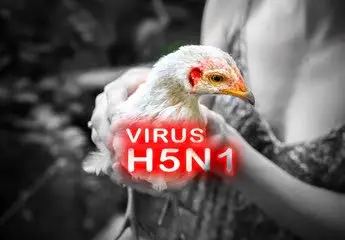
GEORGETOWN, Guyana (CMC) — The Guyana Government has intensified surveillance and implemented precautionary measures to prevent an outbreak of H5N1 Avian Influenza, commonly known as bird flu, following reports of the disease in neighbouring Suriname.
Agriculture Minister Zulfikar Mustapha said he received official notification of the outbreak earlier this week from the World Organisation for Animal Health, but had already begun putting measures in place after hearing reports of the disease.
“When I heard about the rumours I started to put things in place; as a matter of fact, I activated a multi-stakeholder committee that is meeting very regularly, sometimes twice per week, sometimes,” Mustapha said.
The committee, which is being led by the Guyana Livestock Development Authority (GLDA), also includes representatives from the Civil Defence Commission, Guyana Police Force, Guyana Revenue Authority and Poultry Producers Association.
Mustapha said surveillance has been increased at poultry farms across the country, while authorities are also monitoring unofficial crossing points used by vessels travelling between Guyana and Suriname.
“We are also strengthening those areas to ensure that we don’t have any of those poultry products come across to our country,” he said.
According to the minister, Guyana has approximately 1,025 poultry farms and 24 plucking shops, with more than four million birds concentrated in Regions Four, Five and Six.
He said additional personnel from the GLDA, National Plant Protection Organisation (NPPO) and National Agricultural Research and Extension Institute (NAREI) have been deployed to strengthen monitoring efforts.
“We are monitoring it on a daily basis. As a matter of fact, I have increased the extension services in the GLDA, and the NPPO staff, plus the NAREI staff, are also complementing the GLDA staff.
“So, we have put an intensive mechanism in place to strengthen surveillance around the country. We are also doing a lot of random testing in various parts of the regions so hopefully we will not have an outbreak here,” Mustapha said.
He added that measures are also being implemented to ensure poultry farms maintain proper hygiene standards.
“I want to assure the public out there that the government has been working through the Ministry of Agriculture, through GLDA, auspiciously to ensure that we don’t have an outbreak in our country because that is a very dangerous disease and it could disseminate among our population in our poultry industry,” he said.
The minister said the stakeholder committee is preparing informational brochures to educate the public about bird flu symptoms and warning signs in poultry.
Symptoms of the disease in chickens include sudden death, lethargy, loss of appetite, coughing, sneezing, nasal discharge, swelling or purple discolouration of the comb and wattles, diarrhoea, loss of coordination and a sudden decline in egg production.
Meanwhile, Mustapha said efforts are continuing to expand domestic poultry production, noting that six tunnel-ventilated poultry pens are currently producing 40,000 birds every six weeks, with another 10 facilities expected to be established before year-end.
“I’m working very hard to ensure that we have maximum production of these products in the country,” he stated.
Meanwhile, in Suriname, trading and distribution company Subisco International NV has taken legal action against the Government over its refusal to grant an import permit for 11,700 kilograms of frozen chicken from France.
The Ministry of Agriculture, Livestock and Fisheries (LVV) rejected the application, citing a ban on poultry imports from Europe that took effect on February 6, 2026, amid concerns about avian influenza.
Subisco is seeking a court order compelling the authorities to allow the importation and release of the shipment within 24 hours or face a penalty of SRD 20,000.
The company is also requesting that the state be ordered to issue all necessary permits and approvals for the importation, customs clearance and delivery of the chicken, as well as cover its legal costs.
However, the Surinamese Government has defended its decision, stating that Subisco applied for a veterinary import permit on March 27, after restrictions had already been imposed on poultry products from Europe and affected areas of the United States.
The LVV said importers were formally notified of the restrictions on February 5, a day before the ban took effect.
It further noted that Subisco purchased and paid for the chicken on February 23, 17 days after the restrictions were implemented.
The state has asked the court to dismiss the company’s claim.