Jamaica Music Atlas active!
Originally published by Jamaica Observer Read the original
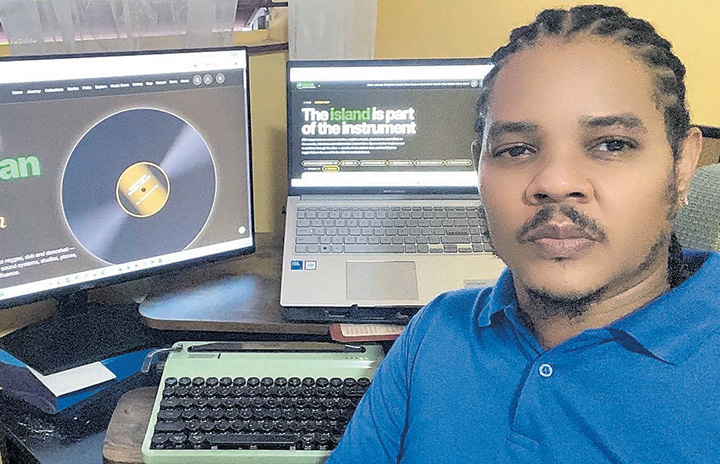
Eager to share his enthusiasm for reggae music, Johnathon Kelly launched the Jamaica Music Atlas in August.
The website (jamaicamusicatlas.com) looks at the history of Jamaican music in 12 countries, among them the United Kingdom, United States, and Canada — home to some of the largest Jamaican Diaspora communities.
An information technology expert, Kelly used AI to gather data for the portal which he regularly updates.
It comprises almost 4,000 songs, 280 locations, and over 150 stories. “The response so far has been extremely encouraging.
What has been particularly rewarding is seeing interest come from well beyond Jamaica. Some of our strongest engagement and feedback has come from the United States and Europe, which really reinforces the fact that Jamaican music has a truly global audience,” Kelly told the Jamaica Observer.
“We have heard from music fans, members of the Jamaican Diaspora, researchers, and people who simply want to understand more about the history, culture, and stories behind the music.” Visitors to the website can discover reggae’s roots in each country featured.
For example, the first venues that played Jamaican music in the UK, the record labels, sound systems, artistes and producers who put reggae on the map there. There is similar comprehensive data for The Netherlands, Belgium, Germany, Spain, Panama, Japan, Brazil, Cote d’Ivoire, and Nigeria.
“A major part of the vision is to make Jamaican music history accessible to different kinds of audiences.
Some visitors may want to do deep research, while others may want to explore a story, follow a musical journey or play a game,” Kelly explained. “The site is gradually becoming a much broader digital experience around Jamaican music rather than simply a collection of information.” In the two months since jamaicamusicatlas.com was activated Kelly has consistently added stories and features.
“We never intended Jamaica Music Atlas to be a static archive, so we have been steadily adding new ways for people to explore and interact with the material,” he said.
