Jamaica’s reparations petition is no ‘frivolous’ exercise – Prof Verene Shepherd
Originally published by Jamaica Observer Read the original
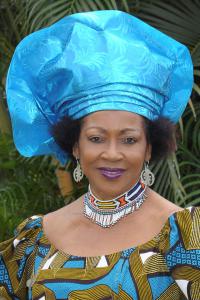
Professor emerita of social history at The University of the West Indies, Verene Shepherd has described Jamaica’s reparations petition before the Privy Council as a critical first step in the country’s wider pursuit of reparatory justice, arguing that it should not be dismissed as a frivolous exercise.
She said the historical evidence underlying it is essential to understanding the continuing effects of slavery and colonialism on Jamaica and the wider Caribbean.
“That is not a frivolous petition. It's a petition grounded in history and the experiences of our ancestors,” she said.
Jamaica’s reparations push has entered a new chapter, with Culture Minister Olivia Grange disclosing Tuesday that King Charles III had referred the island’s September 7 petition to the Judicial Committee of the Privy Council. Jamaica is now awaiting directions from the committee on the next steps.
READ: Grange: King Charles responds to Jamaica’s reparations petition; refers matter to Privy Council
Shepherd, who is a member of the National Council on Reparations, was part of the Jamaican delegation that travelled to the United Kingdom to file the petition.
The well-respected educator told Observer Online that her role in the delegation was to provide historical evidence to support the legal case.
“I was the historian on the panel, in the delegation,” Shepherd said in a phone interview while attending the third annual conference of the Caribbean Community (Caricom) Reparations Commission in Barbados.
Shepherd said the petition is grounded in the history of the transatlantic trafficking of Africans and chattel enslavement in Jamaica, including the forced seizure and transportation of Africans across the Atlantic.
She said while she is not a lawyer or legal scholar, the lawyers involved in preparing the petition believe the legal route is sound.
Under Section 4 of the Judicial Committee Act of 1833, Jamaica petitioned the King to refer three questions to the Judicial Committee concerning whether the seizure, transportation and enslavement of Africans were lawful under English law, whether the practices breached international obligations, and whether the United Kingdom has a legal obligation to provide a reparatory remedy to Jamaica.
Shepherd noted that the petition does not currently seek a specific monetary payment at this time.
“Yes, for now,” she said when asked whether the petition's focus on legal responsibility rather than compensation was deliberate.
She described the process as step-by-step, with Jamaica first seeking answers to the legal questions before determining subsequent action.
“First, Jamaica wants to ensure that the Privy Council, that the King answers. Well, first of all, to send the petition to the Privy Council, and then to get answer on the three questions. And then we take it from there,” Shepherd said.
She said monetary compensation would eventually form part of the wider reparations demands, but that it is not the immediate focus of the petition.
Shepherd pointed to the Caricom Reparations Commission's 10-point plan, which includes a formal apology, an Indigenous Peoples Development Programme, debt cancellation, monetary compensation and decolonisation.
She said the wider reparations movement would be able to build on the outcome of the legal process.
“This is Jamaica's first step. Afterwards, other steps will follow,” she said.
Grange led the Jamaican delegation that had filed the petition in London. The Government has said the petition is not itself a demand for payment.
Shepherd said the delegation centred its visit around the anniversary of the Zong slave ship tragedy as the historical event provided an opportunity to connect the legal initiative with the history underlying the reparations movement.
The Zong left the West African coast in September 1781 carrying enslaved Africans. During the voyage, 134 enslaved Africans were thrown overboard. Shepherd said the delegation used the anniversary to educate the public about the history of the transatlantic slave trade and its consequences.
The delegation also used the United Kingdom visit to pursue the return of Jamaican cultural objects held in British institutions. Shepherd regards the repatriation of cultural heritage as part of the wider reparations process.
“It’s part of reparations,” she said, pointing to the Caricom 10-point plan, which includes restitution of cultural heritage and cultural reconnection.
She said Jamaica should also ensure that adequate facilities are available to preserve and display returned cultural objects.
“We need them to show our own children and our own people what our ancestors created,” Shepherd said.
Shepherd also addressed Jamaica's constitutional position as a country whose head of state remains the British monarch, particularly as the country continues discussions about becoming a republic.
She said the current constitutional arrangement provided an opportunity to pursue the petition while King Charles remains Jamaica's head of state.
“But from what I'm told, this is a good moment before we become a republic to make sure that the person who is the King of Jamaica can refer this to the Privy Council,” she said.
Shepherd said the reparations movement would continue regardless of Jamaica's constitutional status, noting that Caricom has also approached other countries that participated in the transatlantic trafficking of Africans.
With the petition now before the Judicial Committee of the Privy Council, Shepherd said she would rather wait for the outcome before speculating about what Jamaica's next move should be.
“Let's wait and see what the next steps will be,” she said.