NOT SO SWEET
Originally published by Jamaica Observer Read the original
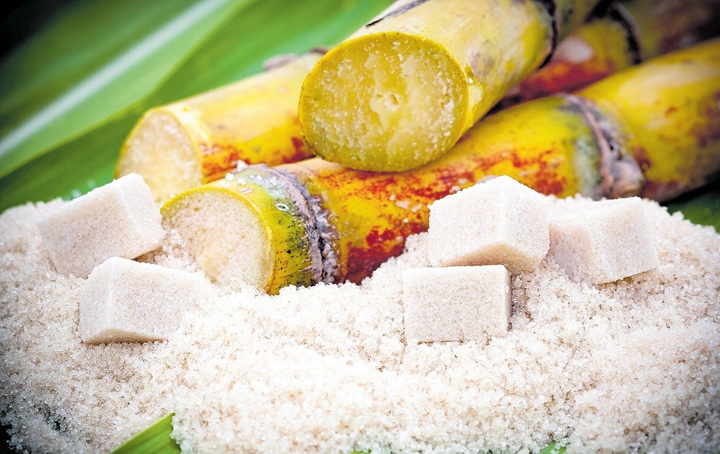
THE price of bread, biscuits, buns, and drinks could come under fresh pressure as Jamaican manufacturers face the prospect of paying more for refined sugar once a new refinery in Belize begins supplying the Caribbean market.
Major food and beverage producers, including Wisynco, Lasco and ice-cream maker Caribbean Cream, have raised concerns that changes to regional import arrangements could make it more expensive to buy the sugar used in products consumed by Jamaicans every day.
Manufacturers fear that once the Belize refinery begins supplying the region, they could lose the duty waivers that allow them to buy refined sugar from outside Caricom at world market prices. They would then have to weigh the Belize supplier’s price against the cost of overseas sugar carrying a 40 per cent import tariff.
Wisynco Group Chairman William Mahfood said the potential increase would affect businesses across food manufacturing, with consequences for consumer prices.
Food and beverage manufacturers fear changes to regional sugar sourcing arrangements could raise production costs.
“Legally, we can’t really challenge it, so the only thing I think we can do is push the Government to lobby for a reduction in the CET,” Mahfood told the Jamaica Observer, referring to Caricom’s common external tariff. He said Belizean suppliers had indicated that they were proposing a 40 per cent increase in refined sugar prices, arguing that the tariff protection would leave Jamaican manufacturers with little room to find a cheaper alternative. “These trade regimes were not intended to have, you know, penalties, which is really what it is…,” Mahfood said. “It’s effectively like Jamaicans are being penalised so that an investor can put a refinery in Belize.” Mahfood argued that reducing the tariff would allow manufacturers to continue buying sugar from other suppliers without facing the full 40 per cent duty. “If the CET goes down, it changes the whole dynamic and it gives us the ability then to import refined sugar from wherever and we’ll pay the duty,” he said. “It won’t have as significant an impact on the cost of the finished product as a 40 per cent price increase.”MAHFOOD...it’s effectively like Jamaicans are being penalised so that an investor can put a refinery in Belizea
An increase in the cost of sugar would not automatically produce an equivalent increase in the price of bread, biscuits or drinks. The effect would depend on how much sugar a product contains, other production costs and how much of the increase manufacturers and retailers pass on. But the ingredient’s use across food and beverage manufacturing means the concern extends well beyond the three companies that spoke with the Business Observer. Lasco’s James Rawle said the company had been discussing the matter with the Jamaica Manufacturers and Exporters Association (JMEA), but had received no formal notification about future sourcing arrangements. “The major concern that Lasco has, you know, and I would imagine that this is shared by sugar users, is that we are all sourcing sugar on the world market at the world market price,” Rawle said. He explained that waivers have allowed manufacturers to import refined sugar without paying the external tariff because regional producers have not been able to supply their requirements. “We haven’t received anything like samples or anything like that from the proposed suppliers from Belize,” he added. Asked whether the concern was about the inconvenience of changing suppliers, Rawle was direct. “How it’s going to impact price.” Caribbean Cream Chief Executive Officer Christopher Clarke raised similar concerns at the ice cream maker’s annual general meeting on Monday, saying additional approvals or changes to duty-free access could increase costs, extend purchasing lead times and complicate production planning. “Our principal concern is whether changes in regional sourcing arrangements could limit our access to competitively priced sugar from alternate suppliers,” Clarke said during his presentation. In the question-and-answer session, he added: “The concern is being forced to supply from one place, while right now, as it is now, we have the option to buy it from anywhere we want to.”RAWLE...we haven’t received anything like samples or anything like that from the proposed suppliers from Belizea
Caribbean Cream has not yet quantified the potential financial impact. More than price In an interview with the Business Observer, JMEA representatives Kamesha Turner and technical consultant Joy Angulu said manufacturers also needed certainty about when the refinery would begin supplying them and time to test its sugar. Turner said the changing timetable made purchasing decisions more difficult for businesses that arrange their supplies well in advance. “The timeline for this refinery continues to be a moving target. So even that within itself creates some uncertainty for businesses,” she said. During the interview, the JMEA representatives explained that obtaining samples was an essential part of preparing for a change in supply. “The quality of your sugar will affect the quality of your product,” Angulu said, explaining that manufacturers would need to conduct product trials and stability testing. The association said higher sugar costs could also weaken the competitiveness of Jamaican exports. Manufacturers selling overseas must compete with producers that may still have access to ingredients at lower world market prices. “We can’t just look at Caricom as being a protectionist market because we’re now playing in a global landscape where we have to ensure that our products are competitive,” Turner said. The association is working with Jamaican Government ministries on its position ahead of regional trade discussions.Manufacturer Caribbean Cream has raised concerns that changes to regional sugar sourcing arrangements could increase costs and complicate production planning.a
“We are in dialogue with Foreign Affairs and Minister of Finance to put together the position,” Turner said. The regional case Caribbean Sugar Refinery (CSR) is being developed at the Santander complex in Belize to expand the region’s capacity to produce refined sugar. The Caricom Private Sector Organization (CPSO), which supports the project and another refinery investment in Guyana, estimates that the region imported more than US$150 million worth of refined sugar from outside Caricom in 2024. It argues that processing more of the region’s raw sugar within the Caribbean would reduce dependence on external suppliers and strengthen regional production. CSR has said regional refining capacity could improve supply stability and strengthen manufacturers’ ability to compete with producers outside Caricom. In a September statement, the company said tariff waivers for refined white sugar would remain in place until April 1, 2027, allowing customers time to adjust while commissioning, quality assurance and distribution arrangements were completed. It said full commissioning was expected in the fourth quarter of 2026. A report on an August stakeholder meeting, published in the Private Sector Organisation of Jamaica and VM Group’s September economic bulletin, said CSR intended to use the international London No. 5 refined sugar price as its reference, with logistics, payment terms and other commercial details negotiated with customers. The report also said the company was open to local warehousing and established distributors serving Jamaican buyers. The JMEA said a proposed transition discussed with regional stakeholders would begin with manufacturers sourcing 30 per cent of their refined sugar regionally and 70 per cent from outside Caricom. The regional share would rise gradually to 70 per cent by the fifth year. Those proportions remain a proposal. The association said they had been discussed at stakeholder meetings but had not yet been settled through Caricom’s Council for Trade and Economic Development (COTED), which makes decisions on tariff arrangements. “So we’re not sure how they plan to move forward with that,” Angulu said.


