‘Not the full picture’: Gov’t rejects Opposition ‘robbery’ claims over hurricane housing costs
Originally published by Jamaica Observer Read the original
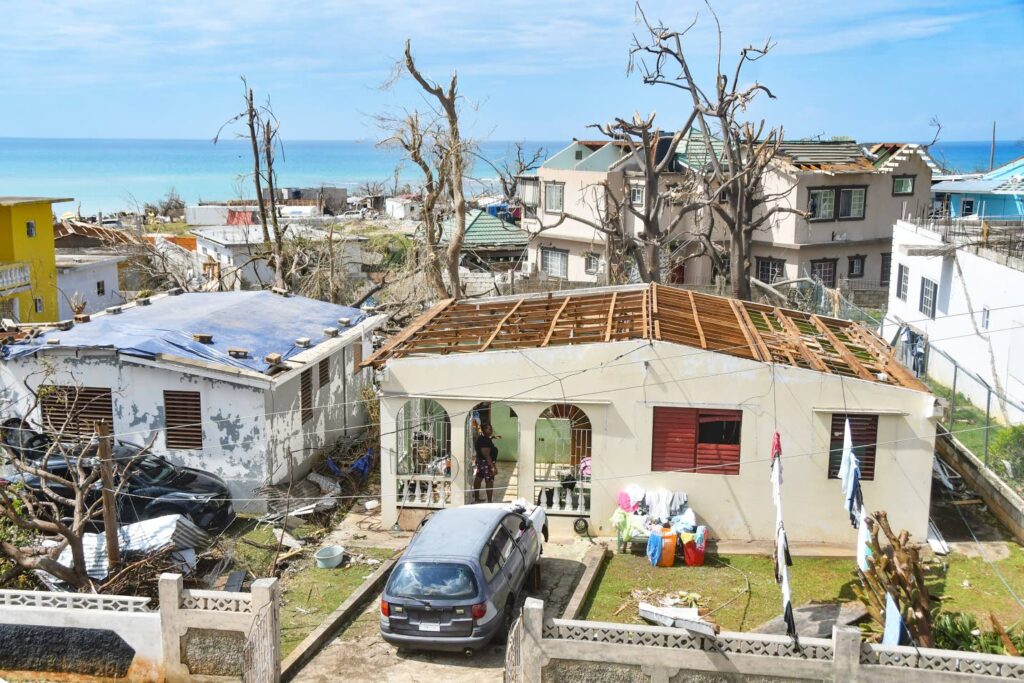
The Ministry of Economic Growth and Infrastructure Development is pushing back against criticism from the Opposition over the cost associated with the installation of semi-permanent housing units for Hurricane Melissa victims in Westmoreland and St Elizabeth, arguing that the figures being cited do not reflect the full scope of the project.
Speaking at the People’s National Party annual conference on Sunday, the part’s general secretary Dr Dayton Campbell accused the Government of carrying out “robbery in plain sight” in relation to the costing of the project. Campbell, who is the Member of Parliament for Westmoreland Eastern, said a team that includes him and his councilors “put up over 40 homes in Eastern Westmoreland” and, every base he and his team erected, were done at a cost between $60,000 and $80,000.
READ: ‘Daylight robbery’
Pointing to the $1 billion value of the government contract to mount the semi-permanent houses, and the fact that the National Housing Trust had already procured the container homes, Campbell argued that it meant that the government was “going to spend $3.7 million to build a foundation to put a container house on.”
However, in a release on Tuesday, the ministry noted that while it welcomes public scrutiny of the recovery programme, “it is important that a discussion of the associated costs reflect the full scope of what is being procured and delivered, rather than characterising a comprehensive site-development, servicing and housing-installation package simply as the cost of ‘building a base’.”
It said the suggestion that the Government is spending approximately $3.7 million merely to construct a concrete “base” or “foundation” for each housing unit does not accurately reflect the scope of the contracted works.
“The intervention provides for a comprehensive package of site development, structural, plumbing, sanitation and installation works required to establish a safe and functional housing site,” the ministry said.
According to the ministry, there are three distinct units, requiring distinct construction needs. Depending on the type of unit and the specific requirements of each site, the works include site preparation and excavation; reinforced concrete foundations and footings; structural anchoring systems; entrance and exit steps; plumbing and sanitary connections; solar generator/electrical works; bathroom and kitchenette works; water-tank infrastructure, including the provision of bases for water tanks; wastewater treatment and disposal systems; preliminaries, including security arrangements for materials stored on site; and the transportation and installation of the housing unit, the ministry stated.
It said there is no flat cost for every housing unit. The cost varies according to the type of unit and the conditions and requirements of each beneficiary site.
The ministry said its costing has also been informed and corroborated by estimates obtained from the National Works Agency (NWA) and costings from the municipal corporations within some of the affected parishes.
“The costings provided by these are broadly consistent with the ministry’s assessment of the works required, providing further assurance that the costs are reflective of the scope and prevailing requirements for the works and are not arbitrary or excessive,” the release stated.
Although the housing units are classified as semi-permanent, the Government has maintained that there will be no compromise on the safety and security of residents. The objective, it said, is to provide affected households with housing that is properly founded, securely anchored, adequately serviced, technically inspected and suitable for occupation, while meeting applicable technical and resilience requirements.
Further, the ministry said the rationale for the construction of robust structural bases, is that though semi-permanent containerised solutions will be placed on them, the intention is that should the beneficiaries’ circumstances improve, they could build more permanent structures on a solid base, given that provisions for water and sewerage would be already in place.
According to the ministry, the Government’s approach to the structural base reflects a longer-term consideration of the housing needs of beneficiaries, while the immediate intervention is intended to provide a safe and secure semi-permanent housing solution for families displaced or affected by Hurricane Melissa.
“The intention, where the site and design permit are concerned, is that the investment in a properly engineered structural base and supporting infrastructure will provide a platform for future improvement,” said the ministry. “In this way as beneficiaries’ circumstances improve, expansion or upgrading of the housing accommodation can be undertaken. In the same way, provision for water, sanitation and wastewater management is therefore not simply an additional cost associated with the immediate placement of a semi-permanent unit; it represents an investment in the functionality and potential future development of the site.”
According to the ministry, this approach is particularly important given the scale of devastation caused by Hurricane Melissa. The urgency of the recovery response cannot come at the expense of safe and functional housing. The programme is therefore intended to move affected families from emergency shelter towards more secure housing solutions, with the necessary supporting infrastructure, it said.