Not true
Originally published by Jamaica Observer Read the original
NEW YORK, United States — Diaspora leaders here have rubbished a claim by permanent secretary in the Ministry of Foreign Affairs and Foreign Trade Sheila Sealy Monteith that there are no complaints among Jamaicans abroad about unspent Hurricane Melissa donations.
“We have been hearing voices of concern about how the donations have been or is being spent,” Irwine Clare Sr, a leading Diaspora advocate told the Jamaica Observer.
“There are many who believe that there is a serious trust issue when it comes to how donations from the Diaspora are handled by Government. We are not seeking to cast blame, but we believe we have a vested interest in seeking accountability and transparency in this matter.
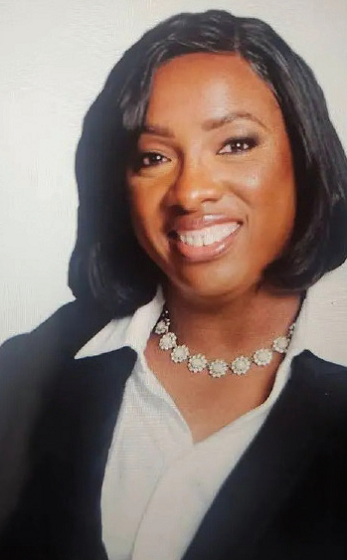
DUNKLEY… the Jamaica Diaspora remains deeply committed to our homeland, but generosity must be matched by timely action and clear communication
We had a vested interested in what is considered as the most massive mobilisation of donations to help those who were affected by the hurricane, and we will do it again, but we must have clarity,” Clare Sr said. On Thursday, September 30, 2026, Sealy Monteith told Parliament’s Internal and External Affairs Committee that the foreign ministry “had many opportunities to receive feedback from the Diaspora” but had not received any indication of concern. She was responding to a question from Opposition Member of Parliament for St Ann South Eastern Dr Kenneth Russell as to whether the ministry has received any feedback from members of the Diaspora and donors about the slow use of their contributions. Jamaicans abroad and at home, as well as other groups and individuals, had donated millions of dollars to help the country recover from the ravages of Hurricane Melissa, which hit sections of the island last October.CUNNINGHAM… it would have been useful if mechanisms were put in place to inform us, and the general public, about the recovery programme
But questions have been raised about the slow pace of utilising the funds, after the auditor general found that only about 1.7 per cent of the donated funds had been used months after the contributions were made. Last Thursday, Sealy Monteith said that the ministry had not seen evidence of a decline in confidence in Jamaica’s ability to handle international support. “We have used the strength of our diplomacy to ensure that countries who wish to contribute are enabled to contribute, that we are able to record it. We are providing direction for them, and we pass them on to the relevant authorities. We have not received any indication to date that there has been a loss of confidence in our abilities to use it,” she told the committee.CLARE… there are many who believe that there is a serious trust issue when it comes to how donations from the Diaspora are handled by Government
However, there was unanimity among Diaspora leaders who spoke to the Observer that there is widespread concern about the handling of the millions of dollars in donations made by members of the Diaspora. Former Global Jamaica Diaspora Council (GJDC) representative for the Northeast United States Dr Karren Dunkley cautioned against “interpreting the absence of formal complaints as an absence of concern”. She said that she has “personally heard from Diaspora leaders and members across the globe who are deeply concerned about the pace of recovery”. “Most importantly, there are also concerns about Jamaicans who still need meaningful assistance. The reported utilisation of only 1.7 per cent of the donated Hurricane Melissa funds, understandably, raises serious questions about urgency, transparency, accountability, and our collective capacity to translate generosity into tangible relief for those who need it most,” Dunkley said. “The Jamaica Diaspora remains deeply committed to our homeland, but generosity must be matched by timely action and clear communication about what was received, what has been spent, where resources have gone, what barriers may be slowing development, and when those waiting can expect assistance,” Dunkley added. Dr Allan Cunningham, a university lecturer and leading Diaspora advocate in Florida, also alluded to what he argued is a trust issue some people within the Diaspora have when it comes to donating money to be used for relief efforts in Jamaica. While he was careful not to blame the Government, Cunningham related a matter in which he said he was instrumental in raising US$800,000 to assist with COVID-19 relief efforts in Jamaica but never got any response on how the funds were used. He said he is not surprised by the present concerns about the Melissa relief funds. “While the permanent secretary is reporting that there have been no complaints from the Diaspora regarding the slow response of the recovery spending, it would have been useful if mechanisms were put in place to inform us, and the general public, about the recovery programme,” said Cunningham. Current GJDC representative for the Northeast United States Michelle Tulloch-Neil, while acknowledging that there are concerns among several members of the Diaspora over the issue, believes that it may be useful to determine what should constitute a formal complaint on the issue. She believes that with the matter now in the open it might be the right time for it to be dealt with by the Diaspora. Another Diaspora leader, Peter Gracey, said it is unfortunate that the ministry has not received any complaints about the slow pace of the recovery effort and how financial donations are being used.