Preserve lessons learnt from remote work
Originally published by Jamaica Observer Read the original
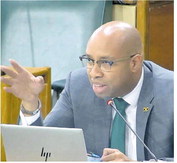
THE Jamaica Confederation of Trade Unions (JCTU) is urging Jamaica to preserve the lessons learnt from working remotely during global and national emergencies, warning that over-reliance on traditional office routines could leave the country less prepared for future disruptions.
“We must be careful and mindful that we don’t un-teach ourselves what we were forced to learn,” JCTU Vice-President Rudolph Thomas told Parliament’s Economy and Production Committee on Wednesday, as it continued deliberations on flexible work arrangements.
Thomas was responding to questions from state minister in the Ministry of Industry, Investment and Commerce Delano Seiveright, who questioned whether Jamaica should fully embrace flexible work arrangements when several major international companies have been bringing employees back to their offices.
Thomas argued that Jamaica’s vulnerability to hurricanes and other disruptions meant it could not simply follow the decisions of larger overseas companies without considering its own circumstances.
“I can remember specifically where I represent workers, and if you were one of those workers and ever dared want to work a little more and carry home a file with you, you’d probably find yourself on the unemployment list. Because how dare you remove a file. With COVID and with [hurricanes] Beryl and Melissa… these remote ways of working became almost second nature,” Thomas said.
He said the experience showed that organisations could find ways to continue operating when workers could not easily reach their usual workplaces. He urged the country to make the necessary arrangements before another emergency forces businesses and public bodies to change how they operate.
“The laptop, you couldn’t be afforded to give and the phone. They found ways of providing it to ensure business, and we are saying provide for that as a nation so that when it occurs, through volunteerism and the facility that is provided, we can survive,” Thomas said.
Seiveright had raised concerns about international companies such as Amazon, JPMorgan Chase and Goldman Sachs, which he said had moved towards having employees work from their offices five days a week.
He noted that these companies invested heavily in technology and had systems to measure workers’ performance, yet their leadership had still emphasised face-toface collaboration and accountability.
Against that background, Seiveright questioned whether Jamaica had assessed how many of its more than 100,000 public servants were genuinely suited to remote or hybrid work and what the likely national fuel savings would be if only 10 or 20 per cent participated.
Thomas agreed that more detailed information was needed to determine the potential savings, but maintained that the country should not dismiss flexible work because of concerns about how it might affect productivity or operations.
“What is clear, though, is that the commuters are wasting a lot of fuel. We don’t have to go deeper than that. We can save that,” he told the committee.
Reading from the JCTU’s submission to the committee, Thomas argued that flexible work could reduce commuting costs, save productive time and help organisations continue delivering services during emergencies. He identified staggered start times and hybrid work as the two arrangements most suitable for Jamaica in the short term.
Staggered hours would allow employees to start and finish work at different agreed times, helping to spread traffic across the day, while hybrid arrangements would allow eligible employees to divide their working week between the office and an approved remote location.
However, he stressed that not every job could be performed remotely and that the arrangements should take account of the needs of individual workplaces.
Thomas also acknowledged that Jamaica did not yet have sufficient information to settle all the details of a national approach to flexible work.
“I believe that we do not have sufficient data to decide on the details. But there are obvious things that you have picked up also. One, the fuel, which is dollars, is wasting. Two, productive hours are being lost,” he said.
He said the initial arrangements should remain voluntary while the country gathers evidence about their effects and determines what changes may be needed.
The JCTU has also called for stronger protections for workers, including safeguards for allowances, longer notice before flexible work arrangements are changed, written reasons for decisions, and a fairer process for challenging refusals.
Thomas said the union was not advocating an immediate, compulsory shift away from office-based work, but rather an approach that would allow Jamaica to test flexible arrangements and improve them as evidence becomes available.
THOMAS... the country should not dismiss flexible work because of concerns about how it might affect productivity or operations
