Proposed shared communities law could come with big bill for homeowners
Originally published by Jamaica Observer Read the original
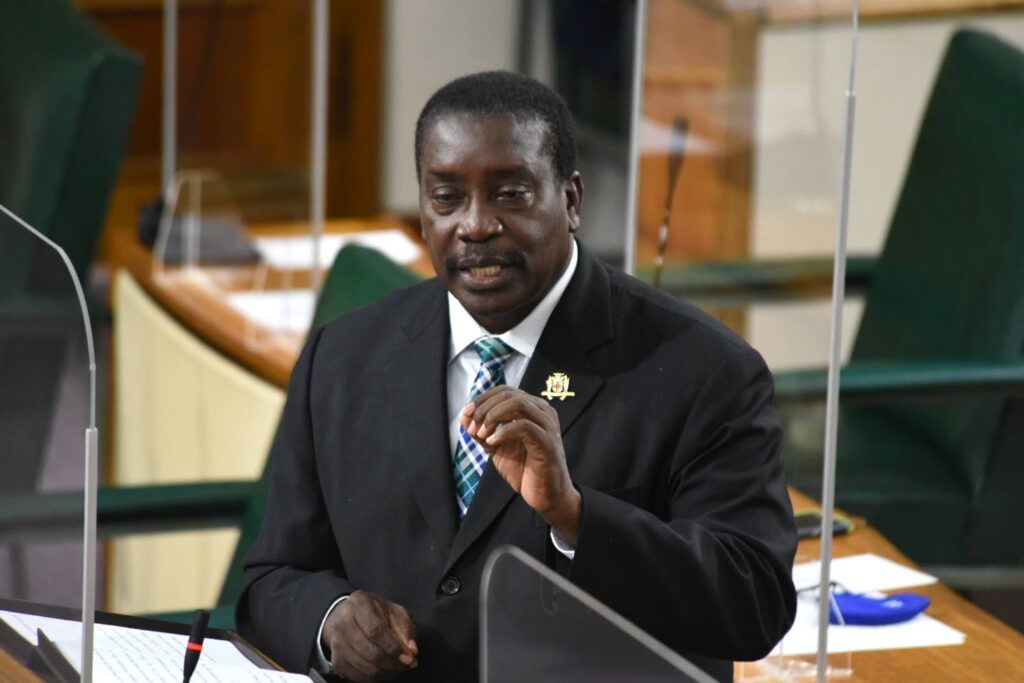
SOME legislators reviewing a Bill to regulate shared communities have questioned whether its financial and administrative requirements could create more problems for homeowners than they solve.
The concerned legislators warned that proposed rules requiring professional accounting services and regular reporting may prove difficult for small communities to meet.
The concerns were raised during a meeting of the joint select committee reviewing the Registration (Shared Community) Act, 2026 on Thursday where members debated whether the proposed framework strikes the right balance between ensuring that common areas are properly maintained and protecting residents from additional financial pressure.
A major point of contention was clause 22(2) of the Bill, which requires community corporations to submit their annual financial statements to an accountant and engage an accountant to carry out specific checks on their accounts. Under clause 22 (3), the corporation would also be responsible for paying the associated costs.
Committee Chairman Robert Montague questioned whether the requirement was necessary for small developments, particularly those with only a handful of homes.
He argued that the cost of meeting the requirement could be disproportionate for smaller communities, which may have limited funds and rely on residents to manage their affairs.
“I’m a little uncomfortable right here…because you’re forcing the people to go take on an accountant and run up expenses for a small scheme of 10 people…This is making an industry out of a shared community, finding work for the accountant. So I’m going to ask that we relook again at this provision,” said Montague.
The Bill, as drafted, requires community corporations to submit their financial statements to an accountant within two months of the end of their financial year and to engage an accountant to undertake verification procedures approved by the corporation at a general meeting. The community corporation would be responsible for the resulting expenses.
SMITH...the problems affecting shared communities required rules that could be enforced
The proposed requirements are intended to strengthen oversight of money collected from homeowners, particularly contributions towards maintaining shared facilities such as roads, drains, recreational areas, and other common property. However, Government Senator Sherene Golding Campbell questioned whether the requirements took sufficient account of the circumstances of ordinary Jamaicans who purchase homes in these developments, many of whom may not have the resources or experience to manage the administrative demands. “These people bought a house, some of them family and friends support putting a deposit together to finally have their own little place…Not everybody goes to the bank and ‘say, well, boy, draw out my $10 million and put it on the deposit’. That’s not the reality of the majority of Jamaica,” Golding Campbell said. She questioned what would happen when communities could not afford to meet the requirements, particularly given the existing difficulties with compliance among strata corporations. Mercede Scott, a senior inspector at the Real Estate Board, told the committee that fewer than half of the strata communities under the existing regulatory system comply with similar financial reporting requirements. Scott explained that the Commission of Strata Corporations monitors the bodies, reviews annual returns, and issues notices where it identifies breaches. It also provides assistance through workshops and meetings, with cases referred to its legal department for enforcement when communities fail to comply. Golding Campbell said the figures raised questions about whether the proposed legislation would be practical to enforce, especially if the number of shared communities eventually exceeds the number of strata developments. She warned that requirements which communities cannot afford to meet could place unnecessary stress on homeowners, even where there was no evidence that their funds were being mismanaged. The concerns were echoed by Opposition Member of Parliament for St Andrew East Central Dennis Gordon, who questioned whether the proposed law had sufficient measures to ensure compliance without imposing additional costs on residents.GOLDING CAMPBELL...what would happen when communities could not afford to meet the requirements
He also raised the possibility of incorporating the proposed framework into existing strata legislation rather than creating a separate law. Meanwhile, permanent secretary in the Ministry of Economic Growth and Infrastructure Development Arlene Williams said the comparison with strata communities needed to be considered more broadly. She argued that the proposed law could be strengthened through adequate penalties to encourage compliance, while the reasons for low compliance under the existing system should also be examined. Not all committee members shared the concerns about the proposed requirements. Member of Parliament for St Andrew North Western Duane Smith argued that the problems affecting shared communities required rules that could be enforced, pointing to situations in which some residents failed to contribute towards the upkeep of facilities while others carried the cost. Government Senator Rose Bennett-Cooper also defended the Bill’s intention, saying it was designed to provide relief to residents who were shouldering maintenance expenses on behalf of their neighbours. She said the legislation was not intended to punish homeowners, but to ensure that everyone who benefited from shared facilities contributed towards their upkeep. The proposed law is intended to address problems involving the management and maintenance of common areas and the responsibilities of homeowners who share those facilities. It is separate from the existing legislation governing strata developments.

