Region urged to focus on El Niño
Originally published by Jamaica Observer Read the original
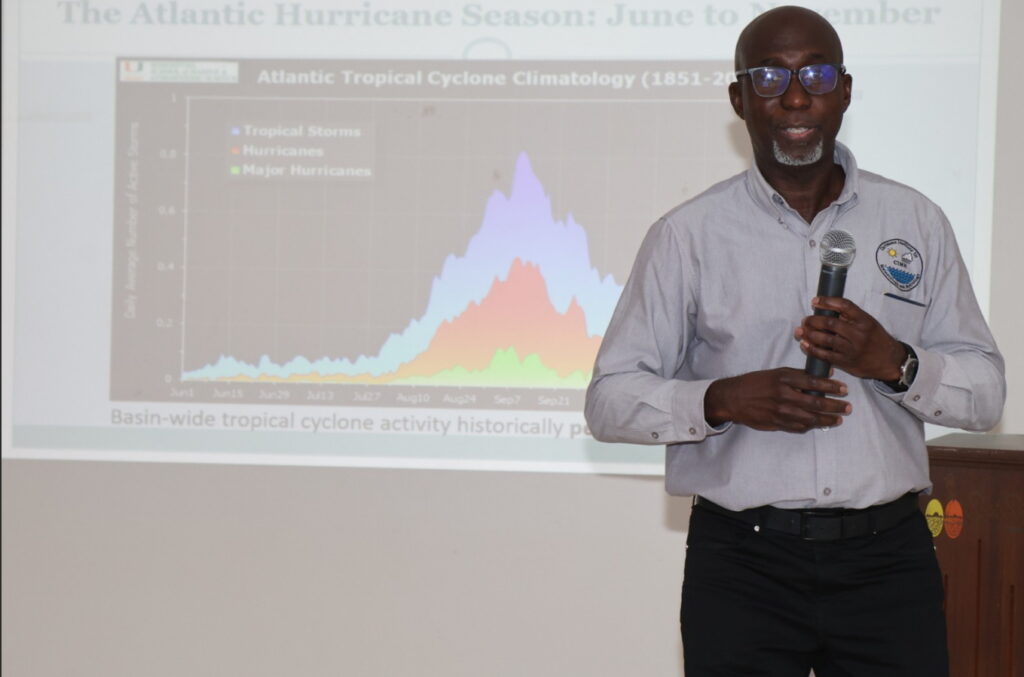
KINGSTON, St Vincent (CMC)—Chief of Applied Meteorology and Climatology at the Barbados-based Caribbean Institute for Meteorology and Hydrology (CIMH), Adrian Trotman on Tuesday said regional countries need to focus on the possible impact El Niño will have on the Caribbean dry season.
El Niño is a naturally occurring climate pattern marked by unusually warm sea surface temperatures in the central and eastern tropical Pacific Ocean. It is the warm phase of the El Niño-Southern Oscillation (ENSO) cycle and occurs every two to seven years, usually lasting nine to 12 months and peaking around December.
Speaking to Caribbean media workers as part of the 2026 Wet/Hurricane Caribbean Climate Outlook Forum Stakeholder Forum, Trotman said it provides an opportunity for media practitioners to have greater exposure to weather and climate issues, particularly those affecting the Caribbean region.
“First and foremost, it is to understand weather and climate, to provide media practitioners with greater exposure to weather and climate issues, particularly those in the Caribbean,” Trotman said.
He noted that this is the third such training initiative, following previous sessions in 2017 and 2025, with the current programme placing particular emphasis on the El Niño phenomenon and its potential implications for the region.
According to Trotman, the focus on El Niño is especially important as the Caribbean prepares for the 2026-2027 dry season, with concerns surrounding reduced rainfall, drought conditions and excessive heat.
He identified three major areas of concern during an El Niño-influenced dry season, namely drought, extreme heat and bushfires.
“These three things in the dry season, especially when there’s an El Niño, could be very intense,” he warned, adding that prolonged dry conditions, combined with excessive temperatures, could increase the likelihood of bushfires across the region by raising vegetation flammability.
Trotman said that excessive heat could become particularly concerning during the latter part of the dry season, while reduced rainfall could also have implications for water availability and other critical sectors.
The CIMH official discussed the historical El Niño events and their effects on the Caribbean, including the 2014-2016 and 2019-2020 periods, noting that these examples provided an opportunity to examine previous climate patterns and better understand what the region could potentially experience.
Trotman spoke ahead of Wednesday’s presentation of the 2026-2027 Caribbean dry season forecast, which he said would provide a clearer picture of anticipated conditions across the region.
He described the developing El Niño as particularly significant, noting that its potential strength has prompted some observers to refer to it as a “Super El Niño.”
The forecast is expected to provide valuable guidance for governments, disaster management agencies, agricultural stakeholders, water resource managers and other sectors as they prepare for possible climate-related challenges.
Trotman said equipping journalists with the necessary knowledge is essential to ensuring that accurate and timely climate information reaches Caribbean communities.
With the Caribbean particularly vulnerable to climate variability and extreme weather events, the ability of media practitioners to interpret scientific forecasts and communicate potential risks effectively remains an important component of regional preparedness and resilience, he noted.