Security forces reacted to deadly force at Sligoville – McKay
Originally published by Jamaica Observer Read the original
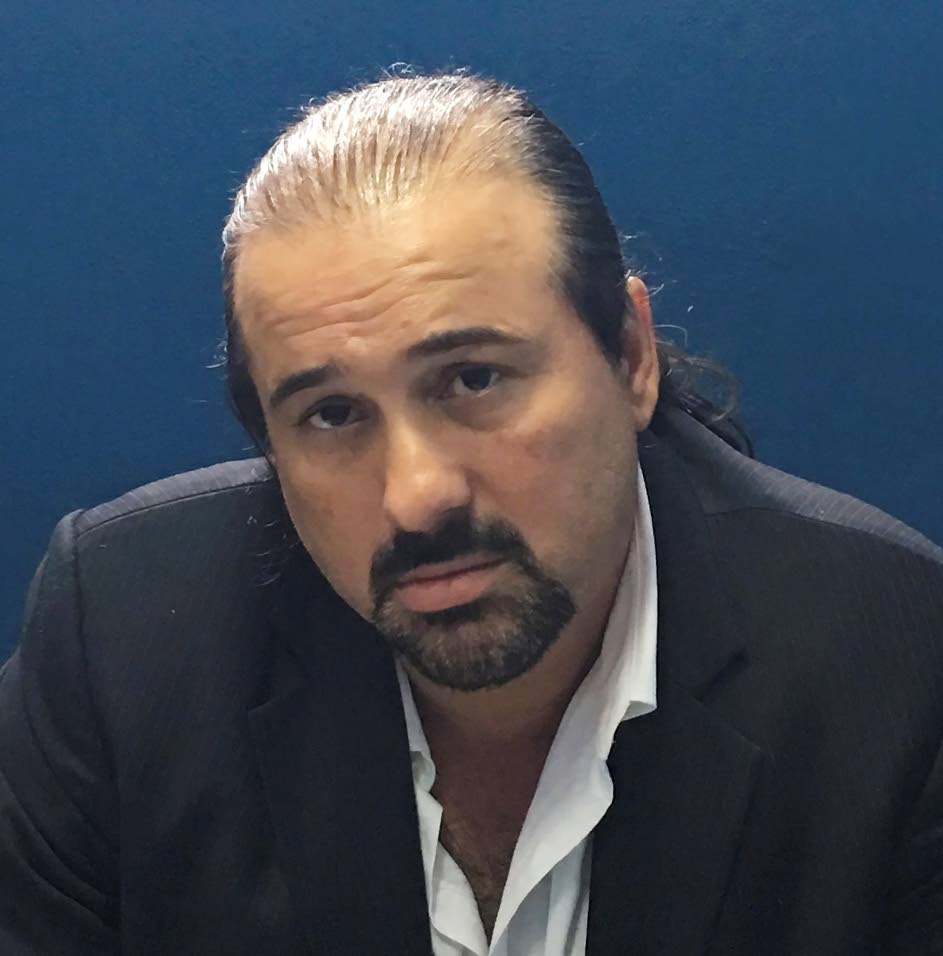
Criminologist Dr Jason McKay has warned against "Monday-morning-quarterbacking" in the wake of the deadly shootout involving members of the security forces last week, which resulted in the death of two policemen and three alleged gunmen in Sligoville, St Catherine.
McKay, a trained hostage negotiator and serving member of the Jamaica Constabulary Force (JCF) assigned to the St Catherine South Special Operations team, pointed to questions raised in the media by former commissioner of police, Rear Admiral Hardley Lewin, and Security Consultant Robert Finzi-Smith.
Addressing the deadly standoff in which a 10-year-old girl was shot and injured, allegedly used as a human shield by the occupants, Rear Admiral Lewin questioned whether “there was an alternative way of dealing with this?”, suggesting the security forces had enough time to coax a possible surrender.
Hardley Lewin
“There was, available to the operation, some 12 hours of daylight,” Rear Admiral Lewin remarked, referring to the firefight sparked by a 5:15 am attempt by the security forces to apprehend “criminals and wanted persons” in the Five/Six Mile area of Sligoville. “It’s not something that was dusk. There are things that would have to be looked at, in any hot-washer that the police would do, to look at whether there was an alternative way of dealing with this. Did the men have a chance of escaping? Who was in that room that might be innocent?” Rear Admiral Lewin asked, questioning the tactics employed by the security forces. However, McKay, who stood by as an International Cricket Council-required JCF hostage negotiator for any eventuality that might have arisen at the 2007 Cricket World Cup staged in Jamaica, pointed to specific circumstances under which a negotiator would be called in as opposed to additional support from tactical teams. “Hostage negotiators generally get involved if there is a lull during a shooting. There was no lull. It was either constant or sporadic gunfire coming from the house, even during what appeared to be conversations between the occupants and the security forces, creating a high level of distrust among the police during which two of their own were shot and killed. “Hostage negotiations do not take place in the middle of shootouts. Once there is sustained or sporadic shooting, it is the tactical operators who handle active shooting scenes,” McKay pointed out. A widely-circulated 18-minute long telephone conversation involving two men engaging members of the security forces, indicating their willingness to leave the house, while claiming there was only one shooter, has been the subject of widespread debate. One of the men was overheard encouraging the 10-year-old to scream, which, McKay said, could have been coercion to deceive the police, pointing out that even while the men were engaging the security forces a shot rang out from inside the house, triggering gunfire from what was by then a joint military-police team.Robert Finzi-Smith
Finzi-Smth, former senior director, safety and security, at the University of Technology, alluded to the number of rounds fired by the security forces while there were “non-combatants in the house”, an assertion McKay called out as being not from an informed position. “It became obvious that there were non-combatants in the house,” said Finzi-Smith. “You fire aimed shots. You don’t fire shots that find wherever they want to find, especially when there are non-combatants in the way,” he stated. McKay, however, pointed out that before such an assertion can be made, one would have to determine at which point the greater volume of firepower was laid down by the police, whether the gun battle intensified after the child was removed. “It is difficult to determine whether the bulk of the police’s shooting was during or after the child was out of the house. There was a point in time that the situation would have become a subject barricaded with a high-powered firearm. “It is easy to Monday-morning-quarter back but, it is my personal opinion that if you are not the one going through the experience, being mindful that two of your fellow officers were killed after the initial engagement, enough gunfire to wound other security-forces personnel, the rate of return-fire would have been unquestionably above average. “It was a threatening situation that had already proven to be deadly,” McKay reminded, pointing to his experiences of being involved in high-risk entries as a member of a special-operations team for almost 25 years.