Stop asking the living to prove they’re alive, says Hylton
Originally published by Jamaica Observer Read the original
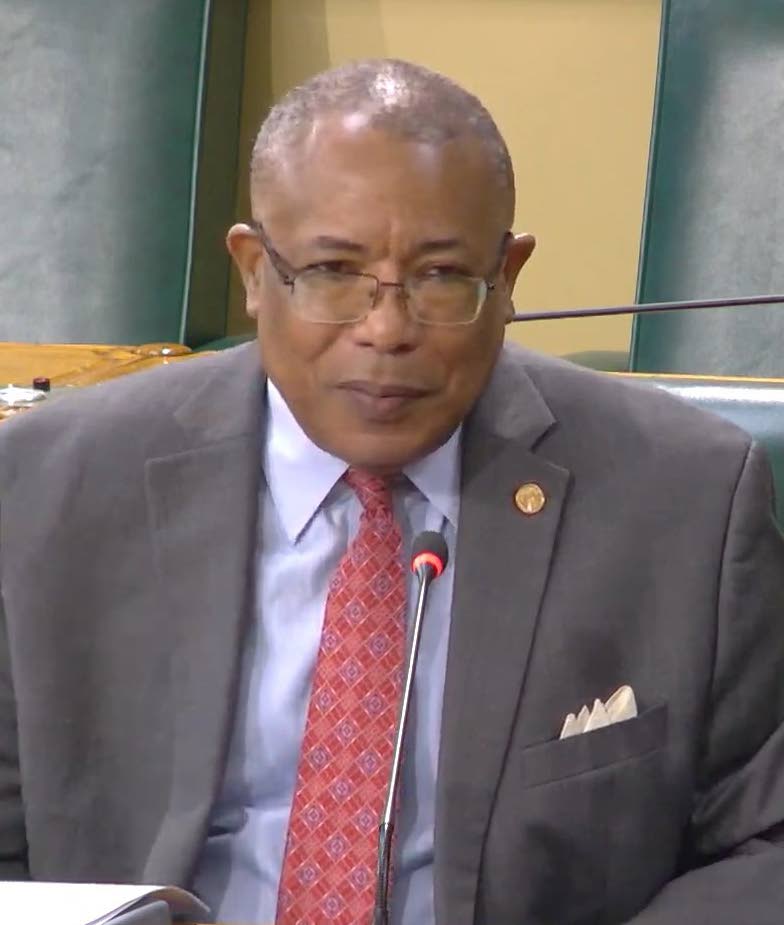
KINGSTON, Jamaica — Member of Parliament (MP) for St Andrew Western, Anthony Hylton, says pensioners must no longer suffer the constant inconvenience of having to prove to the Government that they are alive, in order to collect what is a relatively small pension.
The Opposition lawmaker addressed the issue on Tuesday during his contribution to the 2026/27 State of the Constituency Debate in the House of Representatives. He noted that pensioners must present what is called a life certificate four times each year to collect their pension.
Hylton told the Parliament that in St Andrew Western, the voters' list alone shows 6,850 people over 65 years old.
“They spent their lives building families, communities and this country. Today, too many must choose between medication and rent, between food and the help they need to wash, to clean and to care for themselves,” he said.
He lamented that, “Every three months, our pensioners must prove to the state that they are alive. They wait at a bus stop in sun or rain, ride to Cross Roads, then walk to the NIS office on Ruthven Road, often after collecting a life certificate at the post office and finding a Justice of the Peace to sign it.”
“All this to collect, in some cases, as little as $8,000 a month,” Hylton added. “Why, in 2026, do we still put them through this?”
An attorney-at-law, Hylton pointed out that the Registrar General's Department records every death in this country.
“The NIS and the Accountant General hold the pension rolls. Let them cross-check, and stop asking the living to prove they are alive. I ask the Government to put such a system in place without delay and, until it is ready, to bring life-certificate verification into the communities where our seniors live.
“Our seniors cannot wait. Time is literally not on their side,” Hylton insisted.
The Opposition spokesman on industry, investment and commerce, Hylton reminded that Jamaica has an ageing population.
“But not yet a support system to match—not for seniors who live alone with the constant ‘what-ifs’, and not even the dignity of a clean public convenience for the times they have to leave their homes,” he said.
“These are the people who built the foundations on which we stand. Let us show them we care, not only in words, but in systems,” he pleaded.
