Strong El Niño may bring drought, humid heat to Caribbean over next three months
Originally published by Jamaica Observer Read the original
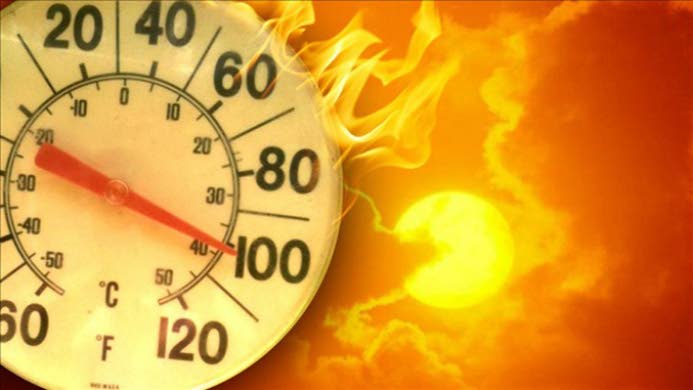
BRIDGETOWN, Barbados (CMC) — The Caribbean Climate Outlook Forum (CariCOF) says a very strong El Niño could worsen drought and bring prolonged humid heat across parts of the Caribbean over the next three months, with heatwaves likely in some areas.
In its latest Caribbean Climate Outlook Newsletter for October to December, the Caribbean Climate Outlook Forum said the strong El Niño, during the second half of the Atlantic Hurricane Season and the transition out of the region’s wet and heat seasons, could result in an expansion of impactful drought.
CariCOF said humid heat is expected to peak in October in the Guianas and could linger in the Lesser Antilles, potentially resulting in heatwaves.
The climate phenomenon is also associated with unusually irregular and infrequent tropical cyclone activity, as well as fewer showers, wet spells and excessive rainfall events.
El Niño occurs when trade winds across the tropical Pacific weaken or reverse, allowing warm surface water to move eastward towards the Americas.
“Nevertheless, high to extremely high potential for flooding, flash floods, cascading hazards and associated impacts remains across the region, with the possible exception of the ABC (Aruba, Bonaire and Curaçao) Islands and French Guiana and coral reef bleaching potential around the Bahamas and the Greater Antilles,” CariCOF said.
It said that dusty Saharan air intrusions, though infrequent at this time, can further inhibit tropical cyclone activity, while exacerbating heat and deteriorating air quality.
According to CariCOF, as of September 1, short-term drought has developed in Antigua, north-northwest Bahamas, Central Cuba, Grand Cayman, Grenada, north east Puerto Rico, St Barts, St Kitts, St Vincent, Tobago, while severe (or worse) long-term drought is developing in Grand Cayman, west French Guiana, Tobago, St Barts, St Kitts, and the Windward Islands.
CariCOF said the January-to-March period will mark the progression towards the peak of the Caribbean dry season and the transition out of the cool season in March.
“This year’s very strong El Niño, combined with unusable heat in the tropical North Atlantic, will drive higher than usual air temperatures across the Caribbean. The unusual heat should be more comfortable at least through February, but will compound growing rainfall deficits in the many areas where agricultural and hydrological drought is in place or will likely build up.”
CariCOF said that this could expand and worsen drought, with likely growing cascading impacts across various sectors of the economy even by May 2027.
“Strong El Niño events further tend to decrease the risk of severe weather throughout much of the region, but the risk of flooding, flash floods and cascading impacts remains moderate,” CariCOF said, adding that, “The very strong Niño means an earlier start to the 2027 heat season.”