The 15-year challenge
Originally published by Jamaica Observer Read the original
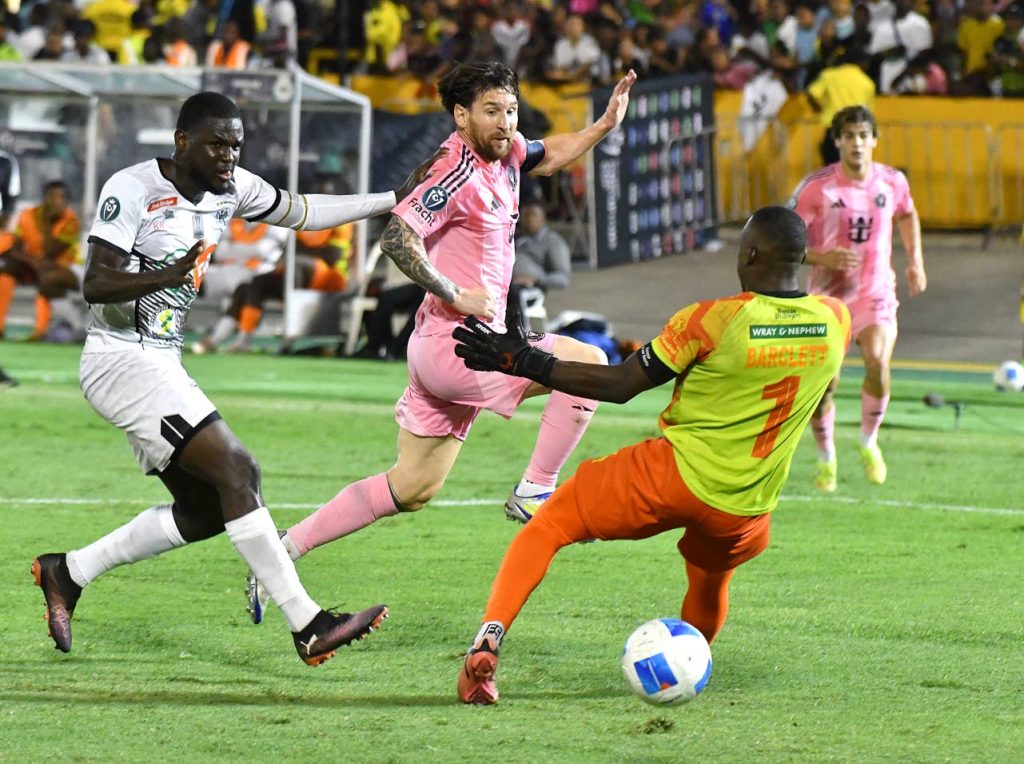
When Mount Pleasant FA and Cavalier FC represented Jamaica in the Concacaf Champions Cup it was a proud moment for local football. However, their participation also highlighted the gap between Jamaican clubs and the region’s top teams.
Clubs in Major League Soccer (MLS) and Mexico’s Liga MX have far greater financial resources, with budgets exceeding US$10 million (over $1.5 billion). This puts them well ahead of teams in the Legend Jamaica Premier League (JPL).
The difference is not just about players’ salaries. It also comes down to facilities, technical support, sports science, preparation, and the cost of competing internationally.
Mount Pleasant have done more than most Jamaican clubs to improve their operations. Under owner Peter Gould, the St Ann club has built its own training academy, hired experienced technical staff, and established itself as one of the leading teams in the Caribbean.
However, even with that investment, Mount Pleasant still have work to do to compete with the best in Concacaf.
Mount Pleasant Sporting Director Paul Christie says the club has made significant progress since 2022, but is still some way from achieving its continental ambitions.
HILL...when I talk about the vision, I’m saying no less than 10 to 15 years of building and toiling before we see some actual results.
“In 2022, when we were given the privilege of carrying out the mandate by owner Peter Gould, Mount Pleasant was 172nd in Concacaf’s club rating and 35th in the Caribbean,” Christie told the Sunday Observer. “Since then, we’re on the cusp of breaking into the top 50 in Concacaf, and we’re the #1 team in the Caribbean. Until we are able to satisfactorily compete at the Concacaf level, there’s still a lot of work to be done.” The challenge extends beyond individual clubs. Professional Football Jamaica Limited (PFJL) Chief Executive Officer Owen Hill says the league must address several problems if Jamaican teams are to compete more regularly at the regional level. One of the biggest challenges is the lack of stadiums that meet Concacaf’s requirements. This often forces clubs to play home matches overseas, increasing their expenses and taking away the advantage of playing in front of their supporters. Hill pointed to Portmore United’s Caribbean Cup campaign as an example of the problem. He explained that the reigning JPL champions had to play a home match in Trinidad because suitable venues were unavailable in Jamaica.Mount Pleasant FA’s Warner Brown (left) tries to turn away from LA Galaxy’s Maya Yoshida during the Concacaf Champions Cup round-of-16 football match on March 19. (Photo: Karl Mclarty)
“That was a home game – in Trinidad, why?! Trinidad is not even close to Jamaica, but the reason they played in Trinidad is primarily because of the economics of it. It’s cheaper to play in Trinidad than Jamaica,” Hill told the Observer. Hill explained that the National Stadium was booked for the Independence Gala period, while Sabina Park was being used for the Caribbean Premier League. He said Portmore had no other suitable venue available and had to travel to Trinidad to fulfil the fixture. Playing home matches overseas means clubs miss out on ticket sales and other income that could be used to improve their operations. It also limits the support they receive from local fans. Hill wants clubs to eventually have their own stadiums that meet minimum Concacaf standards. This would not only give them a suitable home venue for international matches but also allow them to build stronger connections with their communities and generate income. The PFJL is also working with Concacaf and the Jamaica Football Federation to adjust the domestic calendar around international competitions. However, Hill says clubs must also plan their training programmes and squad depth because fixture clashes cannot always be avoided. The financial demands of international football are another concern. Hill says the PFJL supports clubs that qualify for regional competitions, while Concacaf subsidies have increased. However, the cost of travel, maintaining squads, and preparing for matches remain major challenges.CHRISTIE...until we are able to satisfactorily compete at the Concacaf level, there’s still a lot of work to be done.
“Our clubs and, by extension, our economy, are not about to sustain that consistently, so what we try to do is incentivise the opportunities but also ensure that education happens very early,” Hill says. The PFJL also wants Jamaican clubs to become stronger brands that can attract investment from the Diaspora and international sponsors. Hill admits that the response from overseas Jamaicans has so far been limited, but believes clubs can become more attractive to investors as the professional product improves. The league has already reached some important milestones, including an expanded sponsorship agreement with Legend Beer, 360-degree broadcast coverage, and venue partnerships with Independence Park Limited. Hill also sees the proposed redevelopment of Montego Bay Sports Complex as a model for future projects. He believes Jamaica needs at least 10 stadiums of a similar standard over the next decade to improve the facilities available to clubs and other sporting events. However, better stadiums alone will not close the gap. Hill says clubs also need proper gyms, recovery facilities, and technical analysts who can study opponents and help coaches prepare their teams. He believes the lack of those resources also affects how Jamaican football is viewed internationally. While the country’s players are recognised for their speed and athleticism, tactical preparation remains an area that needs improvement. The long-term plan is to build clubs that can generate enough income through sponsorship, commercial activities, and player transfers to reinvest in their operations. “When I talk about the vision, I’m saying no less than 10 to 15 years of building and toiling before we see some actual results, such as players being sold for solid amounts of money; transfer fees are now back into the club’s ecosystem to develop the club’s infrastructure at a minimum standard,” Hill says.
