Tighter controls coming for sex offenders
Originally published by Jamaica Observer Read the original
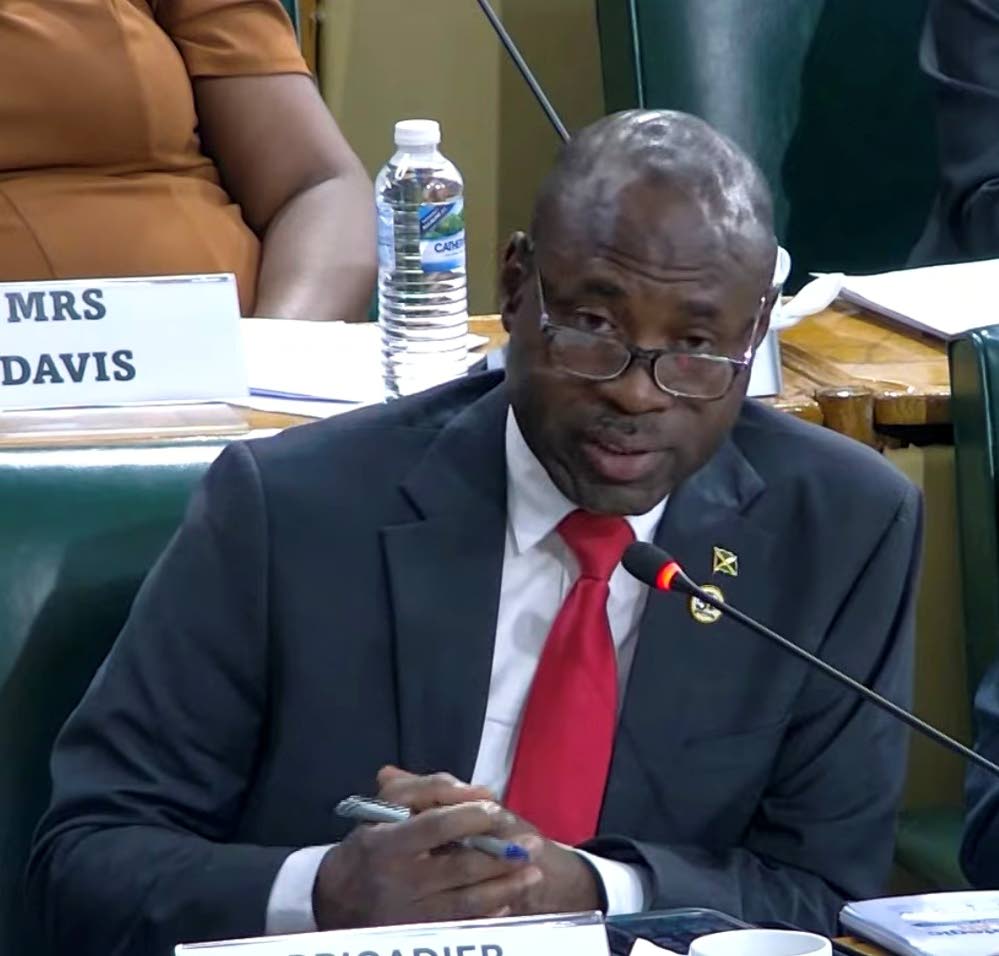
The Department of Correctional Services (DCS) is moving towards the use of electronic tags to track registered sex offenders as it seeks to strengthen its monitoring of more than 500 people on its watch list.
Commissioner of Corrections Brigadier (Ret’d) Radgh Mason said the department was working to acquire the equipment and put the necessary legal arrangements in place to introduce the system.
He disclosed that the DCS was monitoring 528 sex offenders, with just over 30 having breached their legal requirement to report to probation officers after leaving prison.
The offenders are required to report to the respective probation offices for up to 10 years after their release. Mason explained that monitoring currently centres largely on ensuring they meet that obligation.
The issue was raised by Member of Parliament for St Thomas Eastern Yvonne Rose-Marie Shaw during Wednesday’s meeting of Parliament’s Internal and External Affairs Committee. Shaw asked about the department’s success in monitoring offenders, particularly given that they may move between parishes and communities.
Mason said the department was looking to strengthen the system through electronic monitoring, which would allow authorities to track offenders’ movements and establish areas they should not enter.
“Our next step will be towards electronic monitoring, and so we are working with the acquisition and all the legislative underpinnings towards monitoring. That is effectively how the modern jurisdictions go about monitoring. They place these monitors on them, GPS trackers, and they geofence the areas that they are meant to remain within,” he told the committee.
Geofencing involves setting electronic boundaries around particular locations. A tracking device can then help authorities monitor whether an individual enters or leaves those areas.
Mason said the department was also developing a course specifically for sex offenders. He noted that preventing further harm, particularly to children, was a key consideration in managing this group.
He maintained that the department was meeting its responsibilities under the law, while acknowledging that offenders who fail to report must be dealt with through the police and courts.
“So the success rate has been good. When persons breach, it is then for the courts, the police, to find those persons, at which point they would be brought back into custody and possibly sentenced,” Mason said.
The commissioner did not provide a percentage success rate for the monitoring programme or explain how many of the 528 offenders had been successfully tracked over a particular period.
The disclosure comes as the DCS oversees approximately 2,678 non-custodial cases, including people serving sentences outside prison, while also monitoring the registered sex offenders.
Mason said probation offices across the country had designated officers responsible for monitoring those required to report. The department also provides confidential professional spaces for counselling sessions in each parish.