Tighter water restrictions to come, says Samuda
Originally published by Jamaica Observer Read the original
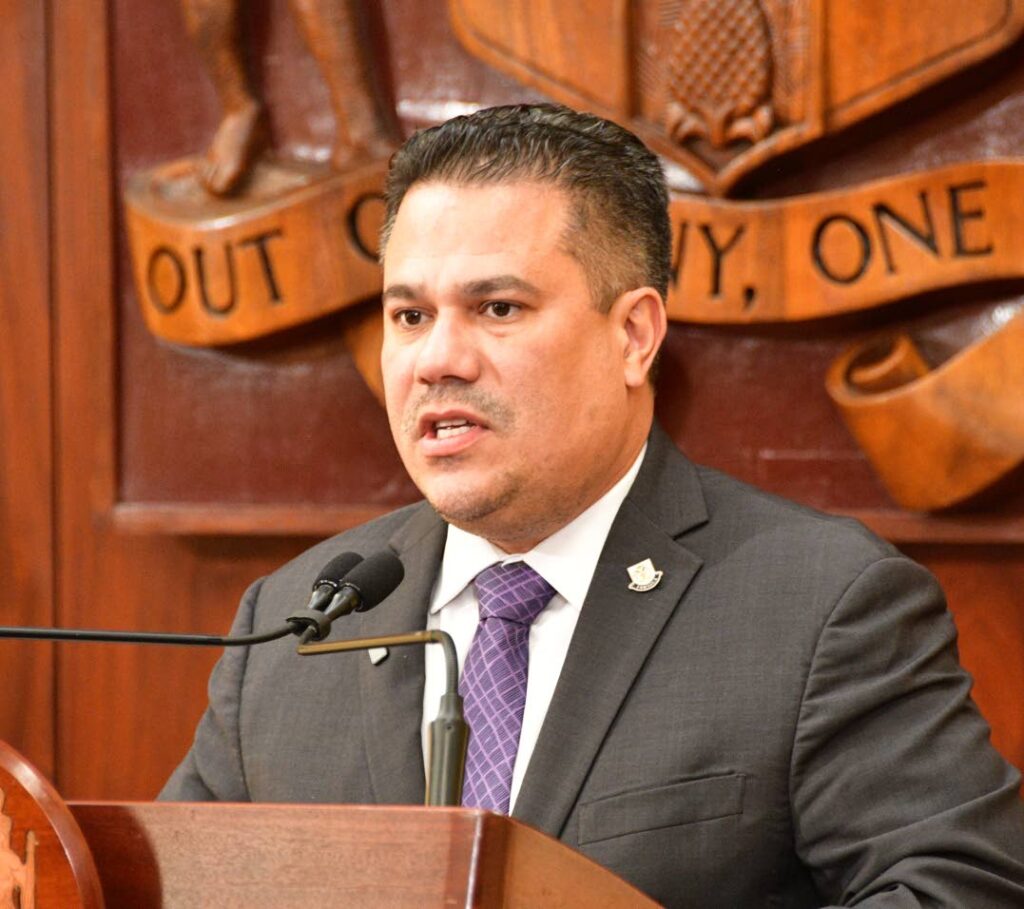
MINISTER of Water, Environment and Climate Change Matthew Samuda has put Jamaicans on warning for even tighter water restrictions come Monday, as the country continues to suffer with worsening drought conditions.
But Samuda says the Government is providing even more assistance in the worst-affected areas.
“There are areas that in the coming week or two, if the rainfall projections and forecasts from [meteorologist] Evan [Thompson] are not incorrect, could see greater restriction in terms of the hours and the availability of supply, especially coming off of the line that is supplied by Hermitage [dam] and sections that are supplied by the Mona Reservoir. You could see in the next few weeks some communities which get day-on-day-off supply. That is something that we’re putting the nation on guard for. And that means that we need greater coordination with our facilities, especially our education facilities and health-care facilities, to ensure that we are indeed supplying communities in longer periods of shortage,” he said adding that as of Wednesday morning, water storage level at the Mona Reservoir stood at 33.5 per cent while Hermitage was at 48.3 per cent.
Thompson, the principal director of the Met Service, speaking on an OPM on Air session on Nationwide News on Tuesday, said drought conditions have worsened in more than half of the island’s 14 parishes, and that some parishes could see little to no rainfall in a single month, if current conditions persist.
Meanwhile, Samuda said his ministry has initiated emergency procurement procedures to purchase 5,000 black water tanks. One thousand tanks will go to the early childhood institutions that are engaged with the Early Childhood Commission in the certification process. The second thousand will go to Rural Agricultural Development Authority for distribution amongst our farmers who are critical to food security, “to ensure that their livelihoods are not disrupted beyond what we can give them as additional support,” the minister said.
“The third category for distribution is indeed working with the Ministry of Labour through the disabled communities. We will be providing tanks to households with persons with disabilities who need it, and we’re working on the screening process with the Ministry of Labour,” he told Wednesday’s post-Cabinet media briefing at Jamaica House.
According to Samuda, the remaining 2,000 will be distributed based on an assessment between the Water Resources Authority, Rural Water Supply Limited, and the National Water Commission (NWC).
“We are assessing water-safe communities and we are assessing their storage. So one of the challenges we have when we see trucks going into particular communities and see people running out with buckets and jars and all sorts of things is because at the household level they don’t have sufficient storage. So where we’re having some of these challenges in the eastern half of the island, we’ll be going into communities and intervening as best as is humanly possible with the remaining 2,000,” he said, adding that the Government is in the process of installing 100 wayside tanks at strategic locations mainly across eastern Jamaica in response to the ongoing drought.

Water level at the Mona Resevoir in St Andrew, also low on August 12 (Photo: JIS)
“We have partnered with UNICEF, and one of the first interventions we’ve made is that we’ve already installed some 30 wayside tanks. That reduces the pressure of trucks to go into really mountainous terrain... So we fill the tanks, and persons are able to go and get water as they need. We’ve already completed 30,” he said. Responding to critics about the Government’s decision to purchase only 5,000 water tanks and not more, Samuda explained that with only four manufacturers on the island, the Government has accessed what the market is able to provide. “The Government would happily purchase 50,000 black tanks now if they were available. We will pretty much be taking all excess capacity out of the manufacturing sector that deals with black tanks globally. Now some would say why not import? Well it is a bit like shipping here, the cost, they’re very bulky, they’re very brittle. So there’s heavy breakage and losses along the way. We are looking at all options. There is a manufacturer in the Dominican Republic and there is one in Panama that uses a different material for tanks. We are testing those tanks to see if they’re suited for our market space. We believe that would give us the option of greater importation. But as of now what the market is able to provide is indeed 5,000,” Samuda said. Underscoring that “Jamaica is in the throes of what could be, eventually, the worst drought in eastern Jamaica, ever”, Samuda noted that “trucking is a stopgap measure in these kind of emergency circumstances”. “We currently have 18 trucks in drought-affected areas that are owned by NWC, and 15 trucks which are contracted privately. We will be increasing our truck fleet, we are working through emergency procedures. We are assessing what can come and what can come quickly, but it is important to note that there will have to be greater enforcement related to our Water Prohibition Notice related to these structures,“ he said. Samuda urged Jamaicans to practise personal responsibility and conserve water, noting that leaks are more frequent during droughts. “Because our network is 80 years old, the constant change in water pressure actually causes more leaks. And that puts the water commission under more stress. But it also causes problems in your household. So we also encourage persons to monitor areas that may have old pipes and areas that have had leaks in the past to make sure that, on top of having regulated supply, you don’t have excessive bills because you have a leak that may not be seen,” he said, adding that the Government has embarked on a 10-year project that will target 28 major townships for reduction in leaks.