Top Dawg Entertainment Defeats Doxxing Claim In Assault And Harassment Lawsuit
Originally published by AllHipHop Read the original
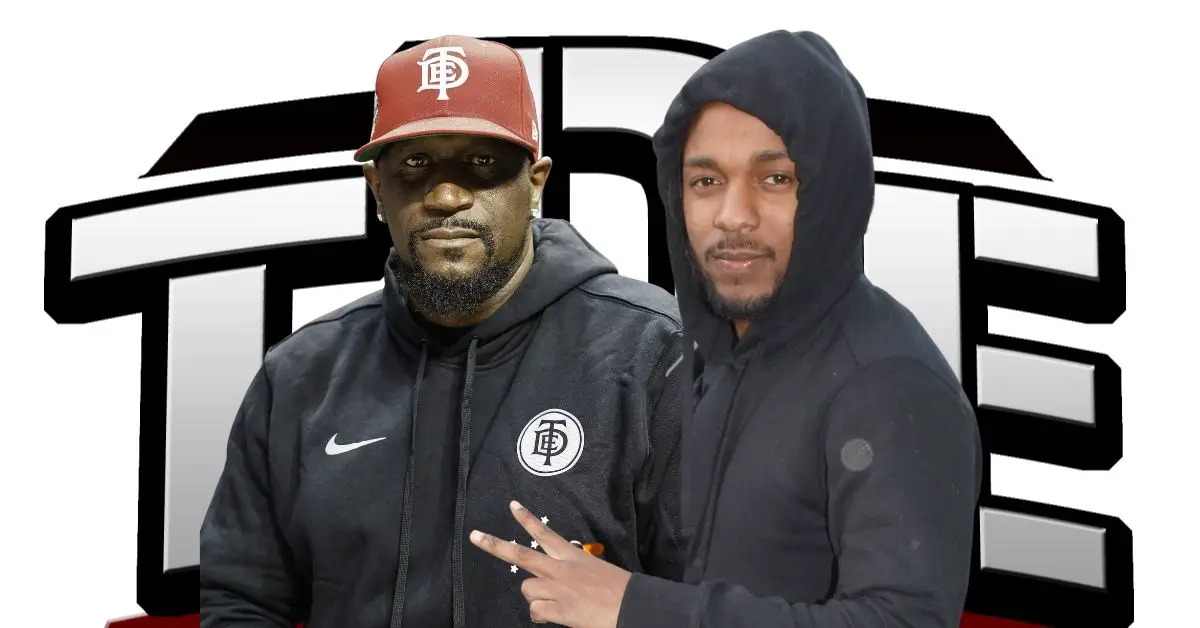
Top Dawg Entertainment has won a court ruling that strips two women’s doxxing claim after they sued without securing permission to hide their names.
California’s appeals court ruled that Linda Luna and Ayah Altayri could not claim a right to anonymity without first asking a judge.
“We are, of course, sensitive to the nature of Plaintiffs’ allegations, and they may have had a strong argument to remain anonymous. But it was incumbent on Plaintiffs to present their request to the trial court as soon as possible. Absent filing such a motion or a statutory basis, they simply had no ‘right’ to remain anonymous while suing in court,” the panel wrote.
The women filed in December 2024 as Jane Doe and Jane Roe, accusing TDE of tolerating misconduct by executives and staff.
Their case names the company alongside Brandon Tiffith, Anthony “Moosa” Tiffith Jr. and David Harrell, with claims that reach beyond unwanted advances. The amended lawsuit includes sexual harassment, assault, battery, negligence and breach of contract, along with the doxxing claim now ordered removed.
Luna says she handled public relations and brand marketing, and accuses the label of leaving her unpaid for services she provided.

She alleges Brandon Tiffith, the label’s chief marketing officer, tried to force oral sex after they had been drinking together. Luna alleges Moosa wrote that she was “just too fine” to work with and suggested “unattractive works best” for hiring.
She says she reported Brandon’s conduct to TDE founder Anthony Tiffith Sr., who dismissed her account instead of addressing it.
Altayri’s claims involve her time at a home owned by TDE while she supported an artist signed to the label.
She alleges Harrell took her to his apartment and urged her to drink alcohol even though she was under the legal drinking age. Altayri says Harrell touched her intimately, tried to take off her pants and threw her onto his bed before she escaped.
She also accuses a TDE affiliate called B-Dawg of pressing his e#### penis against her buttocks without consent, according to the complaint. Altayri says executives knew about the two alleged encounters shortly afterward but failed to respond to either report.
Their lawyers describe a company culture that allowed abuse to continue, placing responsibility on the label as well as individual men.
The women contend that TDE failed to address complaints about people within its organization, allowing the alleged misconduct to go unchecked.
The battle over their identities followed a January 31, 2025, press release in which the women’s lawyers publicized their allegations.
TDE’s lawyer Marty Singer responded the next day with a statement naming both women and rejecting their accounts as fabricated.
Singer also denied that either woman had been a TDE employee and said messages and other communications contradicted their claims. He characterized their case as a shakedown involving a $48 million demand, a claim made in the label’s public response.
The women amended their complaint February 5, alleging that TDE exposed their identities without consent to encourage other people to harass them.
Luna alleges that harassment followed the public disclosure and that two clients stopped doing business with her.
“The release of Plaintiffs’ personally identifying information was likely to incite or produce harassment by third parties. As a result of the above-described conduct, Plaintiffs have suffered emotional distress. Plaintiff Luna has additionally suffered economic harm,” their amended complaint alleges.
A judge allowed the doxxing claim to proceed in June 2025, reasoning that TDE could have denied the allegations without naming its accusers.
The appeals panel rejected that reasoning because the women had never requested court protection for their identities before the label named them. It also found that identifying the people who brought the case qualified as an accurate account of litigation protected under California law.
“That statement easily qualifies for the fair report privilege: Luna and Altayri are in fact the plaintiffs in this action. The fact they unilaterally chose to use pseudonyms but had not yet requested permission to do so does not alter this fact,” the court wrote.
The decision removes the identity-disclosure claim while leaving the women to pursue their allegations about sexual misconduct and the label’s other actions.
The appeals court also awarded the defendants their costs for the appeal as the case returns to the trial judge.