TTFF celebrates 20 years of shaping Caribbean cinema
Originally published by Jamaica Observer Read the original
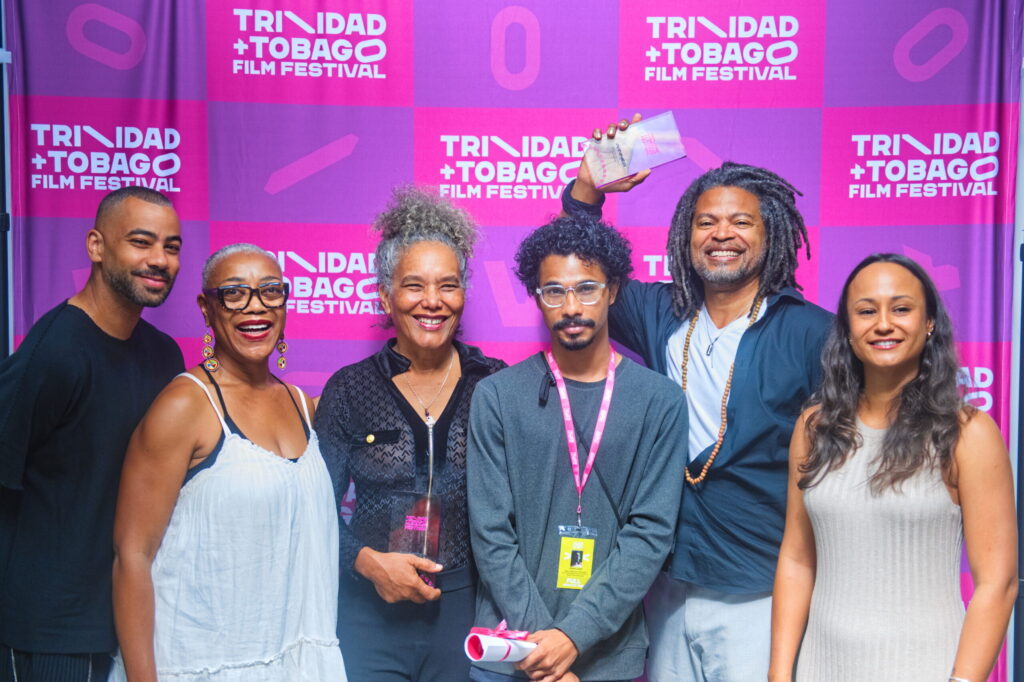
PORT OF SPAIN, Trinidad and Tobago—For two decades, the Trinidad+Tobago Film Festival (TTFF) has done more than bring films to the big screen. It has helped build an ecosystem in which Trinidad and Tobago and Caribbean filmmakers can make films, find audiences, forge industry connections and see themselves as part of a wider global film community.
Founded in 2005 by Dr Bruce Paddington, the festival emerged at a time when theatrical filmmaking in Trinidad and Tobago was still relatively uncommon. According to Festival Director Mariel Brown, the challenge was not a lack of talent or ambition but the absence of a clear pathway for filmmakers to get their work in front of audiences.
"When there is nowhere for your work to be seen, no cinema, no TV station, no audience, no occasion, then there is little impetus to make a film in the first place," she explained.
Creating that pathway became central to the festival's mission. Twenty years later, TTFF has screened more than 2,000 films and introduced more than 1,500 filmmakers to audiences, helping to transform the local filmmaking landscape from one where theatrical production was rare into a growing community of filmmakers.
"The Trinidad+Tobago Film Festival did an essential thing; it gave filmmaking here a reason to exist, and everything else has grown from that," Brown said.
She observed that the festival's influence has extended beyond the cinema. "From its inception, TTFF has maintained a pan-Caribbean outlook, creating opportunities for filmmakers from Trinidad and Tobago and across the region to connect with each other and with the international film industry," she pointed out.
The festival director noted that its annual industry programme has provided talks, workshops, panel discussions and presentations aimed at people at different stages of their careers. The festival has also opened doors to international development and networking opportunities, including the European Film Market Toolbox programmes, Cannes Marché, Rotterdam Producers Lab, Ventana Sur and EAVE.
For filmmakers whose careers are taking shape, those connections can be as significant as the screening itself.
Award-winning Bahamian filmmaker Kareem Mortimer credits TTFF with playing an important role in launching his career. His first feature film, Children of God, was embraced by the festival at an early stage.
"The festival creates an opportunity for filmmakers to network with producers, distributors and press people across the region and across the world, and it platforms their work in front of their first audience," Mortimer said.
Looking back, he said his participation also resulted in relationships with filmmakers across the region that have endured long after the festival ended.
"Trinidad and Tobago was one of the first festivals to embrace my first feature, Children of God, which launched my career, but more than that, it fostered a number of working relationships with filmmakers across the region that still continue to this day," he said.
For Trinidad and Tobago filmmakers, the value of the festival has also been rooted in the opportunity to develop an authentic Caribbean voice.
Film producer Alexa Marcano described TTFF as a "playground" where creators could experiment with and present authentic Caribbean storytelling at a formative point in their careers.
"The greatest thing TTFF provides for T+T filmmakers is a platform where the people behind the festival have a fundamental understanding of Caribbean culture that you won't really get anywhere else," she said.
"The festival was a playground where we could present authentic Caribbean storytelling during a formative period where it was imperative for us to hone our voices as creators."
That understanding of Caribbean culture, coupled with the festival's commitment to presenting local work alongside international cinema, has helped change the relationship between audiences and locally produced films, the festival director noted.
Brown said there was once a degree of wariness among audiences about local productions, with some assuming that films made at home could not match productions from elsewhere. Repeated exposure, she said, has helped to shift that perception.
"What the festival has done, patiently and over many years, is give audiences the repeated experience of sitting in a cinema and seeing their own places, faces, voices and stories on the big screen, made with real craft," she said.
The result, she added, has been a growing sense of anticipation and pride around local and Caribbean cinema.
"Seeing yourself reflected on screen, and seeing others take that reflection seriously, does something quietly powerful for how a society values its own storytelling," Brown said. "The festival has helped move local film from curious novelty to a source of real pride."
The festival's impact is reflected in the careers of filmmakers who have passed through its programme. Brown points to a growing list of industry players whose early careers were nurtured by the festival, including Emmy Award-winning Trinidad and Tobago filmmaker Damian Marcano and producer Jolene Mendes, as well as Haitian director Bruno Mourral, Bahamian director Maria Govan, Genie Award-winning director Ian Harnarine and Mortimer.
Yet the festival's legacy is not limited to individual careers. Its broader contribution has been to establish a space where Caribbean cinema can be taken seriously – locally, regionally and internationally.
Locally, that means giving filmmakers the experience of a premiere, a full cinema and an audience responding to their work. Internationally, it means positioning Trinidad and Tobago and Caribbean filmmaking within a wider conversation and creating pathways for filmmakers to participate in major industry platforms.
As TTFF enters its third decade, Brown acknowledges that significant challenges remain, particularly sustainable financing, distribution and year-round exhibition for filmmakers across the region.
But the festival's two decades have demonstrated what can happen when filmmakers have somewhere to show their work and audiences have the opportunity to see their own stories reflected on screen.
From a single cinema seat to a network of filmmakers, industry professionals and audiences stretching across the Caribbean and beyond, TTFF's 20-year journey has been one of building both a platform and a community and helping Caribbean stories claim their place on the big screen.
This year's Trinidad+Tobago Film Festival will run from September 23 to 27 at MovieTowne, Port of Spain, with the celebrations getting underway with the world premiere of the local feature film DANM on Tuesday, September 22, at the Central Bank Auditorium. Among the festival highlights is a special presentation of True North, by Emmy Award-winning director Michèle Stephenson, which explores Montreal's Black liberation movement of the 1960s. The programme also features local and regional premieres, including Angel and Drsire, Atrinbago, Play de Devil and My Maxi Too.
Tickets are available online through Island E-Tickets.