UN climate disaster fund moves to provide US$20 million aid for Nepal
Originally published by Jamaica Observer Read the original
WASHINGTON, United States(AFP)—The United Nations' climate loss and damage fund moved Thursday to provide $20 million in aid sought by flood-stricken Nepal, the first time it has set aside money for any country, in a key test of the body's credibility.
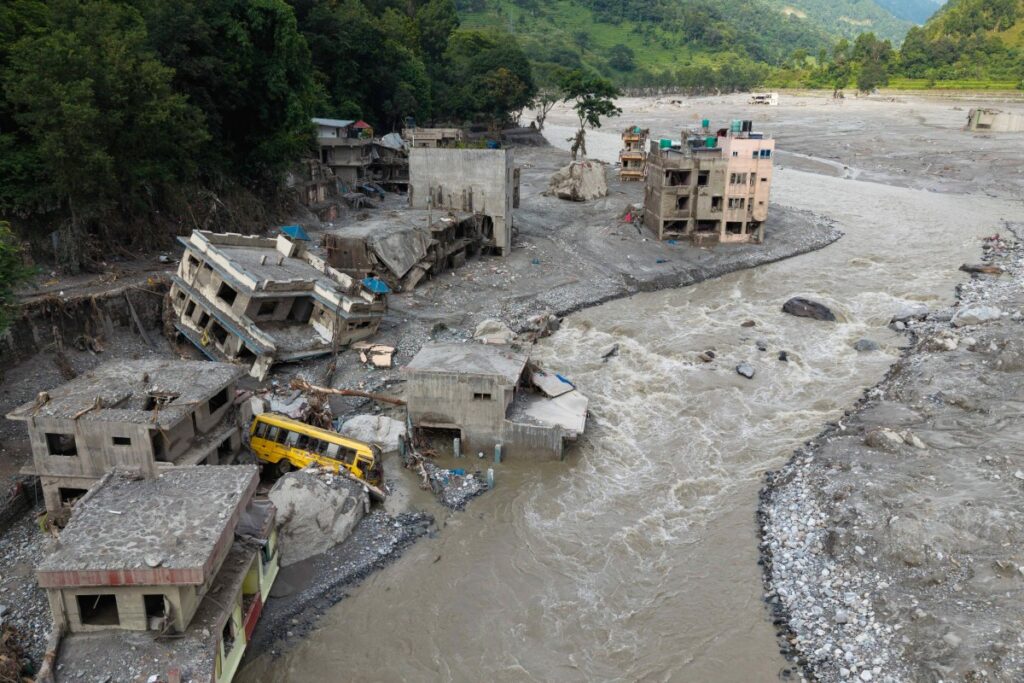
In its first extraordinary meeting, the fund's board agreed to earmark the modest sum for the Himalayan country, which was hit in August by tsunami-like floods triggered by a climate-induced ice and rock avalanche that killed more than 1,400 people and left over 5,000 missing.
Camila Minerva Rodriguez Tavarez, the Dominican co-chair of the board, called the outcome "truly historic" and thanked members for "allowing us to act promptly and have a response to Nepal."
"It's a landmark first step. At the same time, it's also a proof of how far the fund still has to go," Harjeet Singh, founding director of the Satat Sampada Climate Foundation and global convenor of the Fill the Fund campaign, which has been pressuring the fund, told AFP.
The decision does not, however, mean that Nepal will immediately receive the funding, which amounts to less than 0.5 percent of the government's $4.78 billion estimate for reconstruction.
Twenty million dollars is the maximum amount countries can request in a single application.
Nepal will first have to present a proposal for the board's approval, with no firm timeline for the process.
The creation of the "Fund for responding to Loss and Damage" was hard-won at the UN climate conferences of 2022 and 2023 by developing countries, many of them among the least responsible for climate change yet most vulnerable to its impacts.
The fund grew out of calls for "climate reparations" from historically major emitters, which ultimately did not materialize.
But since it became operational, critics have faulted both meager pledges from rich nations -- $822 million to date -- and a disbursement cycle disconnected from climate disasters.
No money has been disbursed so far.
- Precedent tussle -
During the meeting, some developed countries stressed the Nepal decision should be seen as exceptional, not as a template for the fund's long-term future.
"This is not a precedent on one hand, but on the other it provides a learning for the development of the long-term model of the fund," the European Union's Jan Dusik said.
Developing countries hit back.
"I heard Jan saying that we are open for learning, but not in setting precedent. Please do not define the boundaries for learning," said Pakistan's Ali Tauqeer Sheikh, in comments endorsed by others.
Last year after part of Jamaica was destroyed by the worst hurricane in its history, the fund's French co-chair at the time told AFP that it was not meant to "provide a humanitarian response" but was aimed at "the next stage."
That wait-and-see approach became untenable after the disaster in Nepal. Developing countries, which hold a majority of the fund's board, demanded a response to Nepal's request.
- Legal obligations? -
"Nepal is actually driving us into how the fund is going to look like when it comes to rapid disbursement modalities," said Brenda Mwale, outreach lead at the Loss and Damage Collaboration.
The UN and its humanitarian partners launched a $49.6 million emergency appeal after the Nepal disaster, and the United States announced $31 million in new flood recovery support in September.
But as courts increasingly rule on states' climate obligations, developing countries and legal experts argue that such aid should be an obligation of rich countries, not voluntary.
Nikki Reisch, director of the Climate & Energy Program at the Center for International Environmental Law, told AFP she hoped the Nepal decision "will really be a springboard" for demands that the fund and responses to escalating climate impacts be "grounded in legal obligations."