VP Records and Super Cat revisit ‘Boops’
Originally published by Jamaica Observer Read the original
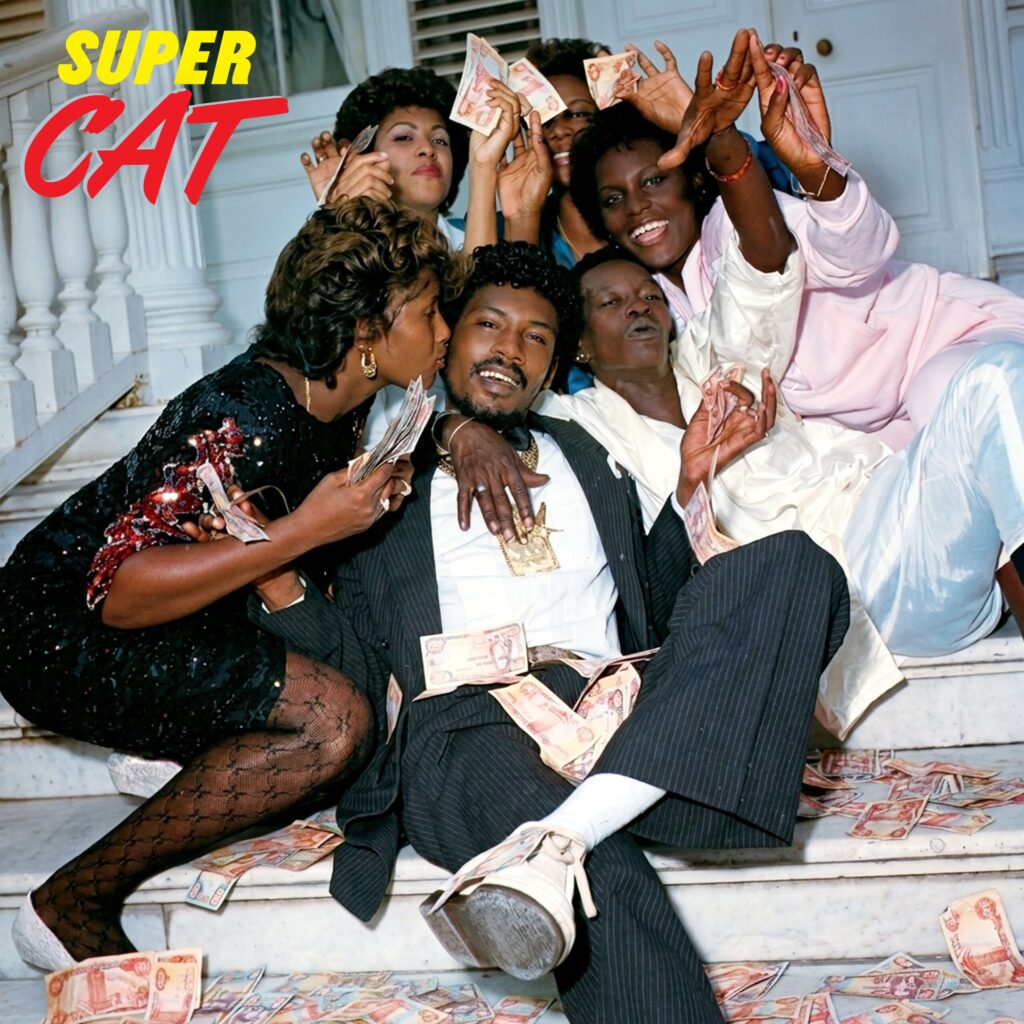
KINGSTON, Jamaica —Before legendary dancehall icon Super Cat became the 'Don Dada', he wowed the Jamaican dancehall with the monster hit, Boops, a song that popularised a Jamaican slang term for 'sugar daddy'.
The hit song dominated the local airwaves as it wickedly satirised older men who buy the affection of young women with gifts in the hopes of securing companionship or intimacy.
The Boops song was actually created on the Stereo Mars sound system, where Super Cat and Nicodemus were performing with Danny Dread.
"We had already started recording Super Cat for Skengdon with ‘Vineyard Party’ and were developing material for his first album. Winston Riley came into that competitive environment and recorded Boops, turning what had emerged on Stereo Mars into one of the biggest hits in Jamaica," music executive Maxine Stowe reminisced.
With the forthcoming reissue of Boops!, the first album released by Skengdon Records, it brings back memories of a formative chapter in Super Cat’s journey towards international recognition.
Producer and businessman Kenneth 'Skengdon' Black recalls how the record became what he called "a national phenomenon".
"Everywhere you went, people were talking about Boops. The expression entered everyday language, other artistes were making answer records at the time, and the excitement went far beyond the dancehall. Riley deserves credit for recognising its commercial potential and producing the breakthrough recording, but the song’s creative origins were on Stereo Mars," Black said.
Riley subsequently recorded Boops for Techniques, with the song appearing on Si Boops Deh! Its commercial breakthrough encouraged Black to launch Skengdon Records, whose first album release was Super Cat’s 'Boops!'.
The distinction matters. Riley’s recording and Skengdon’s album belong to successive chapters of the same story; collapsing them into one would tidy the history at the expense of getting it right.
Due through VP Records on November 20, alongside albums by Nicodemus (Nuff Respect) and Little John (Youths of Today) , the release completes Skengdon’s digital album rollout. It also prepares the ground for Skengdon Anthology — The Sound System • The Studio • The Legacy, planned for the first quarter of 2027.
Later, the legendary dancehall icon William Anthony Maragh would earn the signature title "Don Dada" which means top boss or general in street parlance, when he released the landmark album Don Dada via Columbia Records in the 1992. That album played a key role in bridging dancehall with US hip-hop artistes like The Notorious B.I.G. and Heavy D.
Super Cat signed to Columbia Records in 1990 as the first signing for the label's reggae/dancehall crossover initiative led by executive Maxine Stowe.
For music executive and cultural curator Maxine Stowe, revisiting Boops! means returning to relationships she helped build: from Stereo Mars and Sugar Minott’s Youth Promotion to Skengdon, and eventually to Columbia Records, where Super Cat became her first signing.
But the story requires a little untangling. The song came before the label.
In Stowe’s account, Boops first took shape on Stereo Mars, where Super Cat developed his delivery in direct conversation with the selector and the audience.
Danny Dread’s mixing helped set the terms of that exchange. Cutting the rhythm and bringing it back created spaces for the deejay to exploit, turning timing into theatre. Super Cat responded to those openings, while Nicodemus provided both a complementary voice and an influence on his pacing.
A performance could find its character there long before anyone committed it to record. The crowd was part audience, part testing ground.
For Black, the song’s success offered encouragement to invest in the talent already gathering around Stereo Mars. The sound system had supplied the setting and the relationships. Skengdon would give that creative activity another route to market.
“Dancehall was very competitive in those days. The sound systems were developing artistes, producers were competing for the next big record, and everybody was trying to establish their own sound," Black said.
Sugar Minott’s Youth Promotion was an important part of the wider picture. Its work with emerging artistes brought an emphasis on development and opportunity, connecting performers through live sessions, recordings and networks reaching into the diaspora.
Stowe’s work with Minott placed her within that community. The collaboration with Black and Stereo Mars brought further investment in equipment, recording facilities and releases.
Youth Promotion, Stereo Mars and Skengdon remained distinct enterprises. Their histories intersected through the people making the music, rather than through a single name above the door.
Skengdon’s operation subsequently stretched between Jamaica and Miami. Black worked with Roger Lewis and Inner Circle’s studio before developing his own SKD facilities, supporting recordings made by artistes, musicians and engineers across both locations.
Super Cat’s Vineyard Party and Mud Up form part of that catalogue, preserving the phrasing and rhythmic assurance that would remain central to his appeal as his career travelled further afield.
Stowe’s own trajectory supplied another connection. After working within Jamaica’s music network and at VP Records, she moved into Columbia’s artiste and repertoire operation. Signing Super Cat carried a relationship rooted in dancehall into the American major-label business.
The release of Don Dada in 1992 brought him to wider audiences. Collaborations and remixes involving Heavy D, Kris Kross and the artistes on the Dolly My Baby remix helped connect his Jamaican sound with the expanding reach of American hip-hop.
It was a collective undertaking. Manager and producer Robert Livingston, Columbia product manager Karen Mason and the label’s A&R leadership were among those involved. Stowe brought knowledge of the culture, working relationships and musical foundations behind the artiste.
The Skengdon recordings capture an earlier stage of that development, with much of the personality already firmly in place. The command of a rhythm, the distinctive phrasing and the authority acquired on sound systems would survive the journey into larger studios and international campaigns.
For Stowe, the reissue joins her present curatorial work to an enterprise in which she participated during its formative years.
"This reissue offers an opportunity to restore the connections as well as the recordings," Stowe said.
